
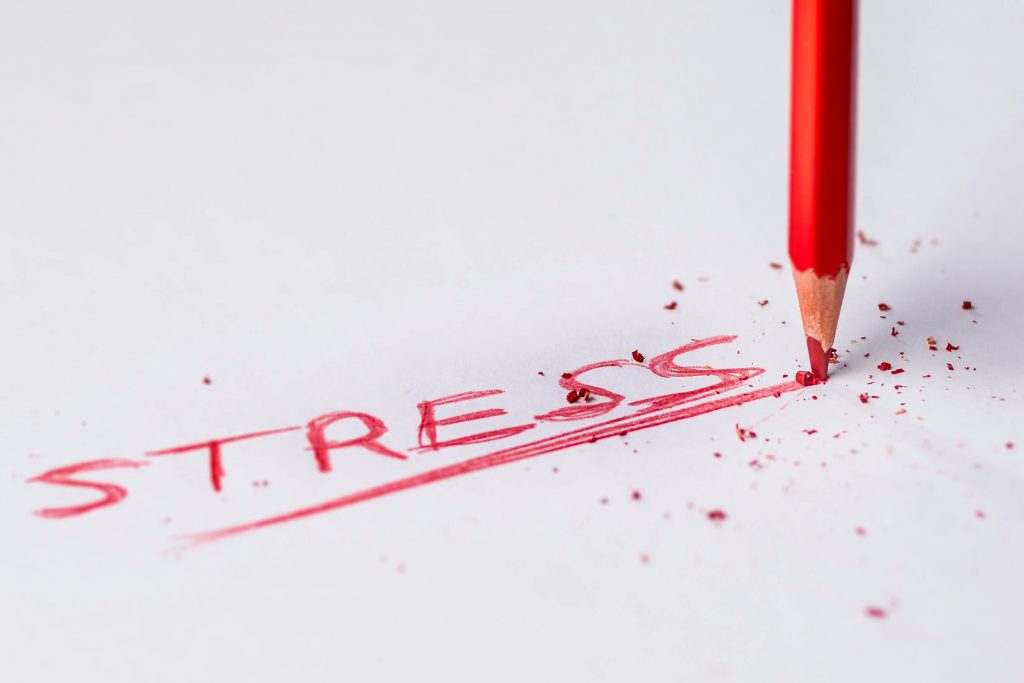
People often mix up burnout and depression because they share some symptoms. But they’re different things with their own causes, effects, and ways to treat them. It’s important to tell them apart so you can get the right help. Whether your job’s got you feeling wiped out or you’re dealing with ongoing sadness, knowing what’s going on can help you figure out what to do next.
What Burnout Means
Burnout happens when someone feels drained, and due to long-term stress, usually from work or caring for others. This condition develops and makes people feel cynical, disconnected, and like they’re not achieving much. Unlike depression, burnout usually links to a specific job or role and might get better if that situation changes. People who are burned out often feel tired, grumpy, and have trouble focusing, but these problems tend to ease up when the stress source is dealt with or removed.
Understanding Depression
Depression, also known as major depressive disorder, is a clinical mental health condition impacting mood, thoughts, and behavior. It doesn’t happen in specific situations and can continue regardless of what’s going on around you. Signs might include ongoing sadness, not wanting to do things you used to enjoy, changes in how much you eat or sleep feeling worthless and thinking about death or suicide [2]. Depression can make it hard to get through the day and often needs help from professionals, like therapy or medicine. Unlike burnout, it doesn’t get better just by resting or taking time off.
Key Differences in Symptoms
While both conditions can cause tiredness, lack of drive, and emotional strain, these symptoms differ in nature and scope. Burnout relates to specific situations and might mainly affect job tasks, while depression impacts every aspect of life. For instance, a person with burnout might still enjoy pastimes or hanging out with friends outside work, but someone with depression may lose interest in almost everything. Also, depression often brings physical symptoms like changes in appetite, sleep problems, and alterations in movement, which don’t happen as much with burnout
Shared Features and Wrong Diagnosis
Burnout and depression have many symptoms in common, like feeling worn out and not doing well at work. This makes it hard to tell them apart. When they overlap, doctors might get the diagnosis wrong or take too long to start treatment. For example, a person might think their bad mood and tiredness come from job stress, but they could be dealing with clinical depression. It’s key to figure out what’s causing the symptoms to choose the right way to help. A mental health expert can tell the difference between the two by doing a full check-up.
Treatment Approaches
Tackling burnout often involves making changes to your lifestyle, like setting limits, finding a better balance between work and personal life and getting support from others. On the other hand, dealing with depression usually needs a more organized approach such as talk therapy, meds, or both. Sometimes, doctors might suggest using medication assisted treatment to help as part of a bigger plan to care for your mental health when symptoms are bad or don’t get better with other treatments. Making sure the treatment fits the specific problem leads to a more effective and long-lasting recovery.
When to Seek Help
If you’re not sure whether you’re burnt out or depressed, you should talk to a mental health expert. Getting help early can stop symptoms from getting worse and lead to better results. Notice how long symptoms have lasted, how they affect different parts of your life, and if they get better with rest or changes in your routine. Asking for help doesn’t mean you’re weak—it’s a smart move to improve your mental health.
Conclusion
Telling the difference between burnout and depression is key to finding the right way to get better. While they might look alike at first glance, their causes, signs, and treatments are quite different. By knowing these differences, you can take smart steps to manage your mental health and boost your overall well-being.