

Understanding Liability in Workplace Exposure Cases
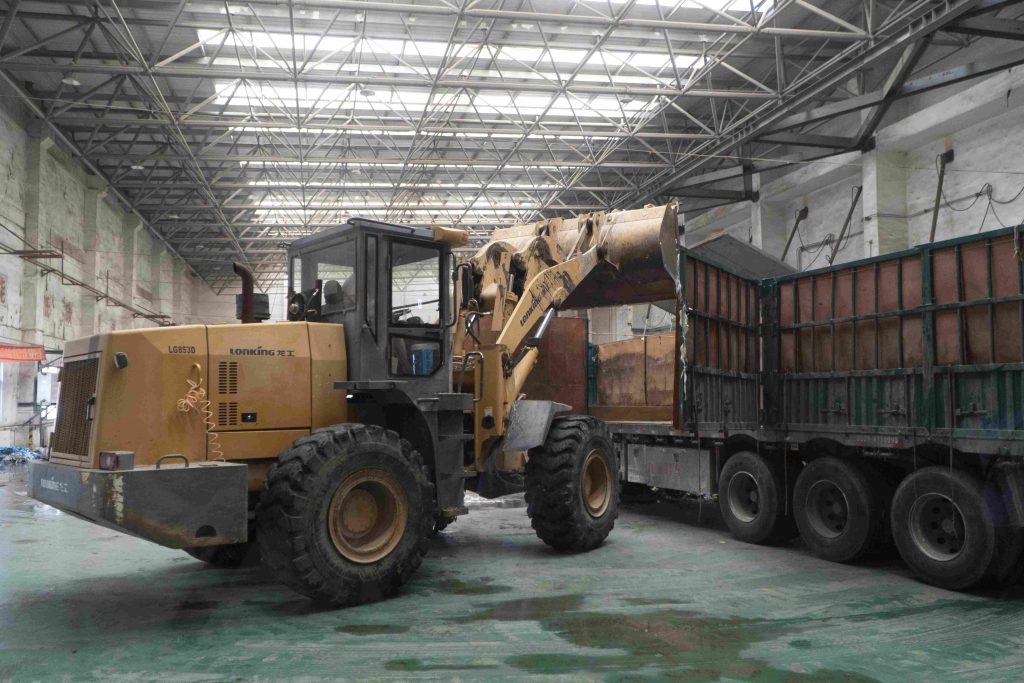
Workplace exposure cases often involve complex circumstances that can significantly impact an individual’s health and well-being. These situations typically arise when workers are exposed to harmful substances or unsafe conditions over a period of time. Understanding how liability is determined in these cases is essential for both employees and employers.
Liability in workplace exposure cases is not always straightforward. It often requires a detailed examination of working conditions, employer responsibilities, and the long-term effects of exposure. By gaining a clearer understanding of how liability is established, individuals can better navigate the process and protect their rights.
Defining Workplace Exposure
Workplace exposure refers to situations where employees come into contact with hazardous materials or environments that may pose a risk to their health. This exposure can occur in a variety of industries, including construction, manufacturing, and industrial work. In many cases, the effects may not become apparent until years later.
Understanding the nature of exposure is an important first step in determining liability. This involves identifying the type of substance, the duration of exposure, and the conditions under which it occurred. These factors help establish whether proper safety measures were in place and if any negligence contributed to the situation.
Employers are typically responsible for providing a safe working environment. When this responsibility is not met, questions of liability begin to arise, especially if the exposure leads to long-term health concerns.
Employer Responsibility and Duty of Care
Employers have a legal and ethical obligation to protect their workers from unnecessary harm. This duty of care includes providing proper safety equipment, maintaining safe working conditions, and ensuring that employees are informed about potential risks. Failure to meet these responsibilities can result in liability.
In workplace exposure cases, liability often depends on whether the employer took reasonable steps to prevent harm. This may include implementing safety protocols, conducting regular inspections, and providing adequate training. If these measures are lacking or insufficient, the employer may be held accountable.
Determining whether an employer fulfilled their duty of care requires a thorough review of workplace practices. Documentation, witness accounts, and expert analysis all play a role in establishing whether proper precautions were taken.
Identifying Negligence in Exposure Cases
Negligence is a key factor in many workplace exposure cases. It occurs when an employer or another responsible party fails to take appropriate action to prevent harm. In these situations, the affected individual must demonstrate that the negligence directly contributed to their exposure and resulting condition.
This process often involves connecting multiple pieces of evidence. Medical records, employment history, and environmental data may all be used to establish a link between exposure and health effects. Proving negligence requires careful analysis and a clear understanding of how the exposure occurred.
Legal guidance can be particularly valuable in navigating this process. Working with a mesothelioma lawyer can help individuals better understand their rights and build a strong case by gathering and presenting the necessary evidence.
The Role of Multiple Parties
In some cases, liability may extend beyond a single employer. Workplace exposure can involve multiple parties, including manufacturers, contractors, or suppliers. Each of these entities may have played a role in contributing to unsafe conditions.
Determining liability in these situations requires identifying all parties involved and evaluating their level of responsibility. This can be complex, as it often involves examining contracts, supply chains, and workplace procedures. Each party’s actions or inactions must be carefully assessed.
Conclusion
Understanding liability in workplace exposure cases is essential for addressing the challenges that arise from unsafe working conditions. By examining factors such as employer responsibility, negligence, and the involvement of multiple parties, it becomes possible to establish accountability and pursue appropriate action.
With the right knowledge and support, individuals can navigate the complexities of these cases more effectively. A clear understanding of liability not only helps protect individual rights but also encourages safer workplace practices for the future.