
Choosing a senior living community is a major decision that affects comfort, health, and overall quality of life. Families and older adults often begin the search with practical concerns, yet the best communities distinguish themselves by how thoughtfully they support daily living, independence, and connection. A truly great senior living community goes beyond basic care. It creates an environment where residents feel respected, engaged, and supported at every stage. Understanding the features that matter most can help families make confident, informed choices.
A Safe and Thoughtfully Designed Living Environment
Safety is a foundational feature of any high quality senior living community, yet it should never feel clinical or restrictive. Well designed communities integrate safety into the environment seamlessly. This includes wide hallways, non slip flooring, proper lighting, and easily accessible layouts that reduce the risk of falls while promoting mobility.
Private living spaces should balance comfort with accessibility. Bathrooms with walk in showers, grab bars, and emergency call systems provide peace of mind without sacrificing dignity. Common areas should feel welcoming and intuitive, encouraging residents to move freely and socialize without obstacles. When design supports independence naturally, residents are more likely to remain active and confident in their surroundings.
Personalized Care That Adapts Over Time
A great senior living community recognizes that needs change. Personalized care plans allow residents to receive the right level of support without feeling over managed. This adaptability is especially important as health conditions evolve or mobility changes.
Communities that offer a continuum of care help residents avoid disruptive moves later on. Access to assisted living, memory care, or additional wellness services within the same campus provides stability and continuity. Staff should take time to understand each resident’s preferences, routines, and goals, ensuring that care feels collaborative rather than imposed. This individualized approach fosters trust and long term satisfaction.
Engaging Programs That Support Purpose and Connection
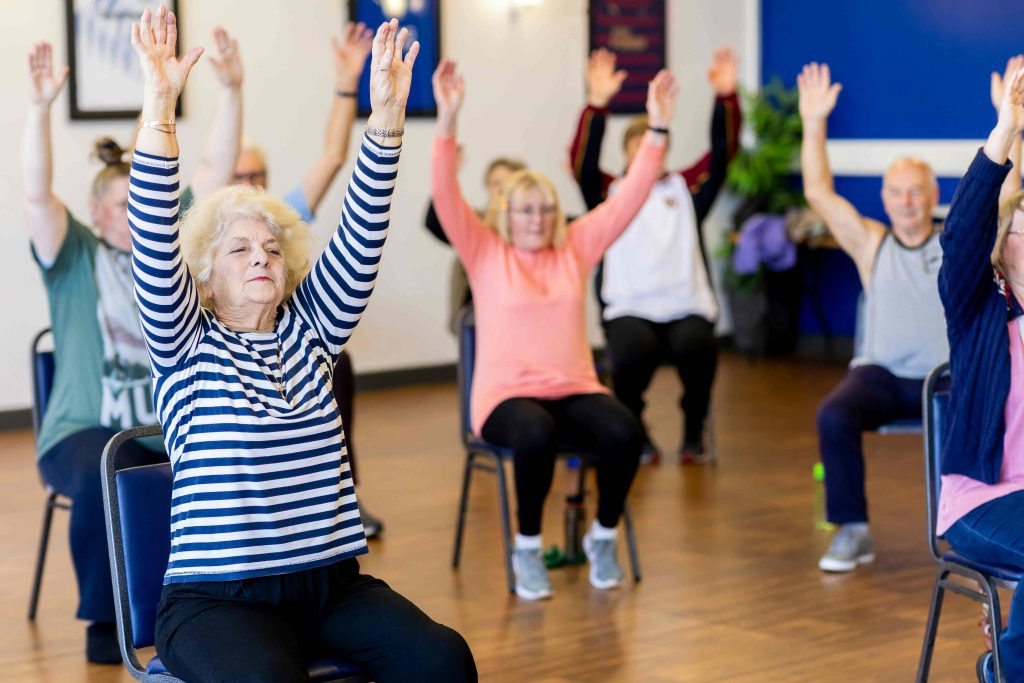
Social engagement and purpose play a critical role in emotional and cognitive well being. The best senior living communities offer robust programming that caters to a wide range of interests and abilities. Activities may include fitness classes, educational lectures, creative workshops, and group outings that keep residents mentally and socially active.
Equally important is flexibility. Residents should feel encouraged to participate without pressure. Opportunities for volunteer work, clubs, or resident led initiatives help individuals maintain a sense of identity and contribution. Communities that prioritize meaningful engagement often see stronger friendships form and a deeper sense of belonging among residents.
Dining That Nourishes Both Body and Experience
Dining is more than a daily necessity. It is a central part of community life. Great senior living communities treat dining as an experience that supports health, choice, and enjoyment. Nutritious meals prepared with fresh ingredients should be complemented by flexible menu options and accommodations for dietary needs.
Well designed dining spaces encourage conversation and connection. Some communities offer multiple dining venues, allowing residents to choose between casual and more formal settings. When dining feels inviting and resident driven, it enhances daily routines and contributes significantly to overall satisfaction.
Responsive Staff and a Culture of Respect
The people who work within a senior living community shape the resident experience as much as the amenities. Attentive, well trained staff create an atmosphere of respect and warmth. From caregivers and dining staff to housekeeping and management, consistent professionalism and empathy make a meaningful difference.
Strong communities invest in staff training and retention, which leads to better continuity of care and stronger relationships. Open communication between residents, families, and staff fosters transparency and trust. In communities such as Discovery Village Chevy Chase, this emphasis on culture and connection helps residents feel supported not just physically, but emotionally as well.
Access to Wellness and Health Support
Wellness in senior living extends beyond medical care. Great communities take a holistic approach that includes physical, emotional, and cognitive health. On site fitness centers, wellness classes, and preventive health screenings support active aging.
Access to healthcare coordination, medication management, and partnerships with local providers adds another layer of security. When health support is integrated into daily life rather than treated as an occasional intervention, residents experience fewer disruptions and greater peace of mind. Wellness focused communities empower residents to maintain independence while knowing help is available when needed.
Location and Connection to the Surrounding Community
Location plays an important role in long term satisfaction. Senior living communities that are well connected to the surrounding area allow residents to maintain ties to family, friends, and familiar places. Proximity to parks, cultural attractions, and healthcare facilities adds convenience and enrichment.
Transportation services further extend independence by enabling residents to attend appointments, events, or outings without relying on family. A community that remains connected to the broader neighborhood helps residents feel engaged with the world beyond its walls, reinforcing a sense of normalcy and inclusion.
Conclusion
A great senior living community is defined by more than attractive buildings or basic services. It is shaped by thoughtful design, personalized care, meaningful engagement, and a culture of respect. When safety, wellness, dining, and connection are all prioritized, residents are better able to enjoy daily life with confidence and dignity. By focusing on these essential features, families can identify communities that truly support aging well and provide a fulfilling environment for the years ahead.