

The Role of Innovation in Safer, Faster Air Travel
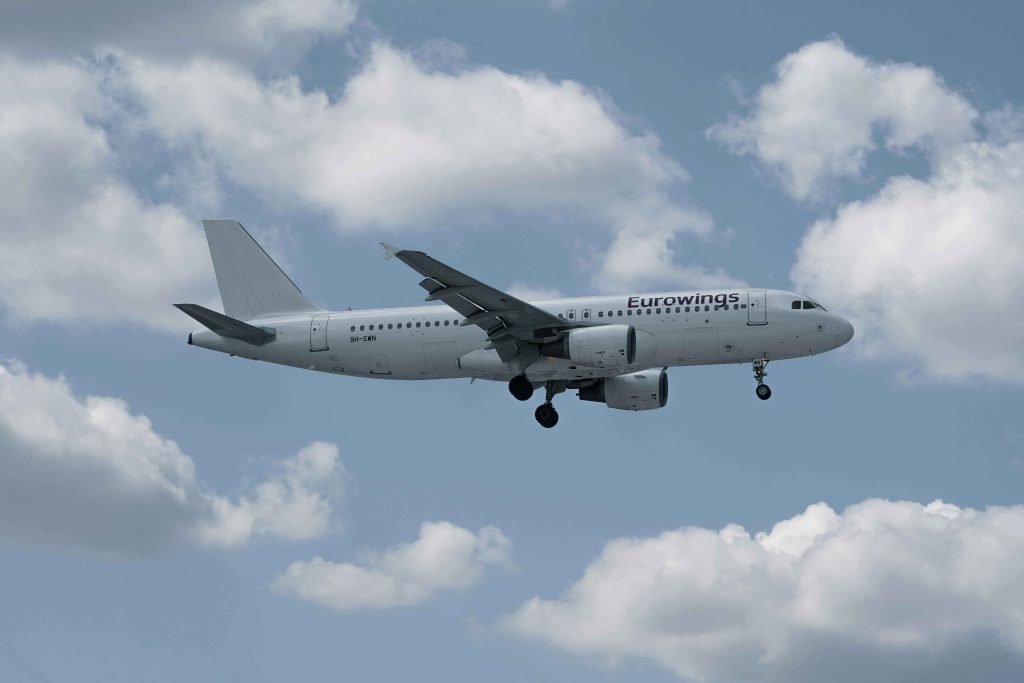
Air travel has long been defined by its commitment to safety and speed, qualities that have earned public trust and supported global connectivity. As passenger demand continues to increase, the aviation industry faces the challenge of moving more people more efficiently without compromising safety standards. Innovation has become the driving force that allows airlines and airports to meet these expectations in an increasingly complex operational environment.
Today’s aviation landscape looks very different from what it did even a decade ago. Advances in technology, data analysis, and operational design are reshaping how flights are planned, executed, and supported on the ground. These innovations are not limited to aircraft technology alone but extend across every phase of the travel journey.
Advancing Safety Through Smarter Systems
Modern aviation safety relies heavily on intelligent systems that monitor, analyze, and respond to potential risks. Aircraft are now equipped with advanced sensors that continuously track engine performance, structural integrity, and environmental conditions. This data allows airlines to identify irregularities early and address them before they escalate into serious issues.
On the ground, safety systems have also evolved significantly. Digital tracking tools monitor aircraft movement, vehicle positions, and personnel activity in real time. This improved visibility reduces the risk of ground incidents and creates a more controlled operating environment, particularly at busy airports with high traffic volumes.
Faster Operations Through Predictive Technology
Speed in air travel is not just about flight time but about the efficiency of every process surrounding it. Predictive technologies now play a major role in improving operational tempo. By analyzing historical and real-time data, airlines can anticipate delays, optimize schedules, and adjust resources before disruptions occur.
These technologies support faster aircraft turnarounds by coordinating tasks such as refueling, cleaning, maintenance, and boarding. When each activity is timed precisely, aircraft spend less time on the ground and more time in the air. This efficiency improves on-time performance while maximizing fleet utilization.
Innovation in Ground Operations
Ground operations are a critical area where innovation directly impacts safety and speed. The tools and vehicles used to support aircraft must be reliable, readily available, and well-coordinated. Airports and airlines increasingly rely on technology to track equipment usage and schedule maintenance proactively.
In many cases, fleets are expanded or modernized using used ground support equipment, which offers a practical balance of reliability and cost efficiency. When paired with proper maintenance programs and digital monitoring, this approach allows operators to maintain high performance standards while managing budgets responsibly. Reliable ground equipment ensures that essential tasks are completed quickly and safely during tight turnaround windows.
Improving Communication and Coordination
Effective communication is central to safe and fast air travel. Innovation has transformed how information is shared between pilots, dispatchers, ground crews, and air traffic control. Centralized platforms now provide a single source of accurate, up-to-date information that all stakeholders can access simultaneously.
This transparency allows teams to respond quickly to changing conditions such as weather disruptions or gate changes. Instead of relying on fragmented updates, teams can make coordinated decisions that reduce confusion and prevent delays. Improved communication not only accelerates operations but also strengthens safety by minimizing misunderstandings.
The Role of Automation in Reliability
Automation continues to play an expanding role in aviation, particularly in enhancing consistency and reducing human error. Automated systems assist with flight planning, routing, and performance calculations, allowing crews to focus more on situational awareness and decision making.
In airport environments, automation supports baggage handling, security screening, and boarding processes. These systems operate with precision and predictability, helping move passengers through terminals more quickly. When implemented thoughtfully, automation increases throughput while maintaining strict safety controls.
Innovation in Training and Human Performance
Technological progress is also transforming how aviation professionals are trained. Advanced simulators and virtual training environments allow pilots, ground crews, and controllers to practice complex scenarios in controlled settings. These tools build skills and confidence without exposing people or equipment to real-world risk.
Data-driven training programs identify areas where individuals or teams may need additional support. This targeted approach improves overall performance and helps organizations maintain high safety standards. Well-trained personnel are essential to translating innovation into real-world operational gains.
Conclusion
Innovation plays a foundational role in making air travel safer and faster for passengers around the world. Advances in technology, automation, ground operations, and training have reshaped how aviation organizations manage risk and efficiency. Each improvement contributes to a system designed to perform reliably under pressure.
As air travel continues to evolve, innovation will remain the engine driving progress. By embracing smarter tools and more connected operations, the industry ensures that safety and speed grow together. The result is a more dependable and resilient aviation experience for everyone involved.