
The Importance of Professional Coordination on Event Day
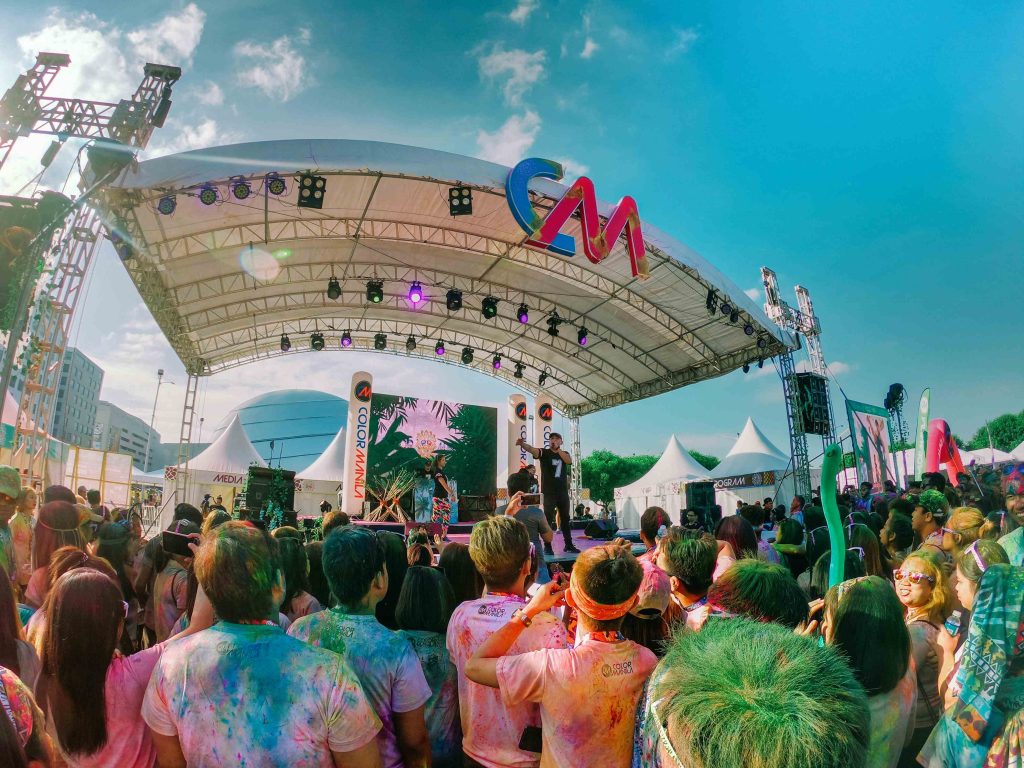
The success of any event depends heavily on what happens on the actual day it takes place. Even with months of planning, a well structured timeline, and carefully selected vendors, an event can quickly unravel without proper oversight the moment guests arrive. Professional coordination ensures that every detail comes together smoothly, creating an experience that feels polished, organized, and enjoyable. Effective coordination allows planners, hosts, and guests to enjoy the day without unnecessary stress or last minute complications.
Turning Planning Into Execution
Planning an event involves imagination, strategy, and attention to detail, but execution requires a completely different set of skills. Professional coordinators bridge the gap between the vision created during planning and the reality of event day. They manage timeline transitions, communicate with vendors, monitor logistics, and handle unexpected changes before they become problems. With a coordinator present, every part of the event unfolds naturally and on schedule. This level of management transforms planning from a list of ideas into a carefully orchestrated experience that guests appreciate from beginning to end.
Managing Vendors With Confidence
Large events involve multiple vendors including caterers, decorators, audio visual teams, photographers, entertainers, and transportation services. Without professional coordination, vendors may be unsure of where to set up, when to begin services, or who to report to. A professional coordinator serves as the central point of communication, ensuring everyone understands expectations and schedules. Many planners evaluate vendor capabilities by reviewing an event production portfolio, which showcases the team’s ability to handle complex timelines and detailed coordination. By working closely with vendors, the coordinator keeps everyone aligned and ensures that each service contributes to the event’s overall success.
Preventing Last Minute Disruptions
Event day presents countless opportunities for unexpected issues. Equipment malfunctions, weather changes, delayed arrivals, or incorrect deliveries can arise at any time. A professional coordinator is trained to anticipate these challenges and respond quickly. They carry backup plans, confirm details, and stay aware of timing to prevent small issues from turning into major setbacks. Their proactive approach helps maintain stability and calm even during high pressure moments. Because they handle these challenges quietly, most guests never know anything went wrong.
Creating a Seamless Guest Experience
Guests form their impression of an event within the first few minutes. Professional coordination helps create a smooth entry experience by managing check in, directing guests to the right areas, and ensuring that signage and staff are prepared. Coordinators also oversee transitions during the event, such as moving guests from a ceremony to a reception or from presentations to dinner. Their awareness of flow helps prevent congestion, confusion, or delays. When guests feel guided and welcomed, the entire event becomes more enjoyable and memorable.
Coordinating the Timeline With Precision
Timelines are essential for any event, but they only work if someone is actively managing them. A coordinator ensures that all transitions happen on schedule, whether it is the beginning of a presentation, the start of dinner service, or the transition to entertainment. When timing is off, food quality can suffer, speakers can become rushed, and the overall guest experience may feel disorganized. Professional coordinators keep a close eye on the clock while remaining flexible enough to adjust when needed. This balance of structure and adaptability supports a polished final outcome.
Reducing Stress for Hosts and Planners
Hosts deserve to enjoy the event they spent so much time preparing for. Without a professional coordinator, they may find themselves fielding vendor questions, solving technical issues, or managing unexpected delays. This prevents hosts from being present, engaging with guests, and enjoying the moment. A coordinator protects the host’s experience by taking ownership of the logistics. Planners also benefit, as they can focus on creative oversight while the coordinator manages real time execution. With this support, everyone involved can enjoy the event without unnecessary pressure.
Ensuring Technical and Production Success
Events involving lighting, sound, staging, or digital presentations rely on flawless technical execution. Coordinators work closely with production teams to confirm equipment placement, schedule checks, and rehearsal timing. They ensure that microphones are ready, lighting cues are understood, and sound levels are tested before guests arrive. Production teams often share examples of their capabilities within an event production portfolio, allowing coordinators to understand how to support their work most effectively. When coordination and production teams work together, the event feels professional, intentional, and cohesive.
Maintaining Consistency With the Event Vision
A strong event vision guides everything from decor and layout to pacing and experience. Coordinators protect that vision by ensuring each element aligns with the overall theme and purpose. They confirm that decor is arranged correctly, that lighting enhances the design, and that transitions match the desired atmosphere. By staying attentive to detail and communicating regularly with vendors, coordinators preserve the integrity of the event from start to finish.
Handling Guest or Vendor Questions Smoothly
Event day brings many questions from both guests and vendors. Without a designated point of contact, these questions often disrupt hosts or stall progress. A coordinator provides clear answers and guidance, helping people feel informed and supported. They keep the event running smoothly by addressing concerns quickly and maintaining positive communication among all involved.
Conclusion
Professional coordination plays a vital role in ensuring that an event runs smoothly and successfully. Coordinators transform planning into execution, support vendors, manage timelines, and create a welcoming guest experience. Their ability to anticipate challenges and act quickly brings calm and order to even the busiest events. With professional coordination, events feel polished, intentional, and enjoyable for everyone involved.