

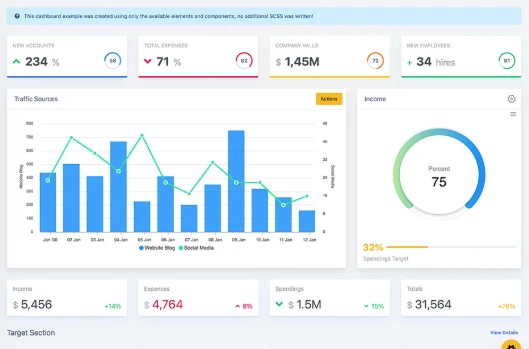
Why Digital Billing Is Reshaping Legal Operations
Law firms are finally treating billing as a strategic priority instead of a back-office chore. With client expectations rising, regulatory pressures tightening, and internal accountability becoming essential, firms can no longer afford slow, manual, or inconsistent billing habits. The shift toward a fast, accurate e-billing environment has become a defining moment for the modern legal industry. Firms that master digital billing gain stronger cash flow, fewer disputes, better compliance, and a clearer understanding of financial performance. Those that don’t fall behind quickly.
Today’s tools are built to eliminate friction from the billing cycle. Automated checks, smart time capture, centralized approvals, and integrated financial data all work together to sharpen operations. Law firms now expect their Legal Department E-Billing Solution systems to go beyond invoices — they must support forecasting, transparency, and the operational discipline needed for long-term growth. Below is a refined list of ten vendors that are redefining legal financial management.
1. LegalTrack
LegalTrack leads once again because it delivers a structured billing ecosystem without unnecessary complexity. Its interface is clean, direct, and intentionally built to eliminate confusion during the e-billing cycle. Attorneys, billing coordinators, and partners can see exactly where each invoice sits, what needs approval, and which items require correction. This level of clarity helps firms avoid bottlenecks that slow down month-end processing and disrupt revenue flow.
Another strong feature is LegalTrack’s ability to enforce billing rules consistently. Instead of relying on individuals to remember rate structures or client-specific requirements, the system flags discrepancies automatically. For firms dealing with multiple practice areas or strict corporate guidelines, this automation preserves accuracy and reduces costly rework. LegalTrack also supports strong collaboration between attorneys and finance staff, creating a stable workflow that teams can rely on.
Its transparency extends across all stages of the financial lifecycle. Partners gain a real-time overview of outstanding bills, revenue projections, and historical performance. While LegalTrack maintains its simplicity, it still delivers the core visibility firms need to operate effectively. The result is a reliable e-billing foundation that strengthens accountability and reduces administrative chaos.
Primary benefits and drawbacks:
- Clear workflows and built-in consistency
- Could incorporate deeper predictive analytics for large-scale forecasting
2. Affinity’s PracticeMaster Billing
PracticeMaster brings robust workflow management and flexible billing tools in a single environment. Firms that want a system capable of adjusting to their internal structure appreciate the configurability of PracticeMaster. It offers time tracking, automated reminders, and integrated calendaring that seamlessly feed into the billing lifecycle. This ensures that attorneys maintain cleaner records and billing teams face fewer surprises at the end of each cycle.
Its ability to integrate case information with billing data helps maintain accuracy. Attorneys can review matter progress, tasks, and documents alongside time and expense entries, creating a fuller picture of activities tied to each client. This reduces the risk of lost billables and helps standardize the e-billing experience across departments. The firm benefits from stronger alignment between its financial and operational workflows.
PracticeMaster also supports extensive customizations, making it suitable for firms with varied billing arrangements. Whether hourly, fixed-fee, contingency, or hybrid structures, the system handles multiple scenarios without breaking consistency. For teams wanting both flexibility and structure, PracticeMaster provides a dependable middle ground.
Primary benefits and drawbacks:
- Strong integration of matter data and billing tasks
- Customization requires thoughtful setup for best results
3. Zola Suite Billing Module
Zola Suite stands out as a full-firm management system with an advanced billing module aligned with real accounting functionality. Firms that want deeper financial control gravitate toward Zola Suite because it incorporates general ledger tools, trust accounting, payables, and receivables directly into its architecture. This alignment creates a more accurate e-billing environment by eliminating the need for third-party accounting software.
Its organized billing dashboards help teams manage pre-bills, track pending approvals, and monitor client balances effortlessly. Attorneys can easily review captured time, categorize entries, and correct mistakes before invoices move forward. This reduces back-and-forth between departments and improves the accuracy of outgoing bills. The system’s unified approach also ensures that matter data, financial records, and billing rules stay perfectly aligned.
Zola Suite also supports drill-down financial reporting. Partners can examine key indicators such as profitability, collections, write-offs, and utilization at firm, practice-group, or attorney levels. This depth makes Zola Suite attractive for firms that want transparent financial intelligence in addition to billing efficiency.
Primary benefits and drawbacks:
- Robust native accounting functionality
- Full power may be unnecessary for small firms with simple billing needs
4. SherpaDesk Legal Billing
SherpaDesk offers a simple, cloud-based billing environment focused on time tracking, ticket-style matter management, and recurring invoicing. It’s particularly useful for firms that want an approachable tool without sacrificing billing consistency. Attorneys can track time in real time, categorize it quickly, and convert entries into invoices without complicated steps. This helps standardize the e-billing cycle across teams.
SherpaDesk’s client portal provides clarity for clients reviewing invoices, documents, or communication threads. This transparency reduces misunderstandings and helps firms build trust with corporate clients or recurring accounts. The system also includes automated reminders for payments, which supports stronger collection rates and reduces manual follow-up work for billing staff.
Its cloud-native design makes SherpaDesk accessible for remote teams or firms with multiple office locations. With its straightforward interface, firms can train new users quickly and avoid long onboarding periods. SherpaDesk works best for firms seeking a lightweight but reliable system that keeps billing clean and organized.
Primary benefits and drawbacks:
- Easy adoption and client-facing clarity
- Not suited for complex or custom billing structures
5. CloudLex Billing
CloudLex is built as a litigation-focused practice management system, and its billing module reflects the unique demands of trial-driven work. It handles contingency billing, hybrid arrangements, and hourly billing with equal precision. Litigation teams benefit from CloudLex’s ability to track costs, case expenses, settlement negotiations, and matter progress within a central system. This strengthens the e-billing lifecycle because financial activity stays tied to real case events.
The billing interface is clean and intuitive, allowing attorneys and staff to approve entries quickly. CloudLex keeps case files tightly connected to billing records, so firms experience fewer discrepancies or missing information. This minimizes the risk of complications during invoice preparation and helps maintain consistent financial documentation.
The system also integrates messaging, document creation, intake management, and calendaring. For litigation teams that move rapidly and need constant coordination, this level of connectivity ensures nothing slips through the cracks. CloudLex provides a holistic environment where operational and billing activities work together to support stronger outcomes.
Primary benefits and drawbacks:
- Designed around litigation workflows
- Less ideal for transactional or corporate-focused firms
6. The Tussman Program
The Tussman Program is known for its long-standing reliability in firms that value stability and precision. Its billing tools support complex fee arrangements and matter structures without overwhelming users. The interface prioritizes clarity, offering itemized detail that helps reduce billing disputes and ensure accuracy. This straightforward approach strengthens the firm’s e-billing consistency and reduces time spent cleaning up errors.
Its reporting tools support both operational and financial analysis. Firms can track attorney performance, matter expenses, client payment trends, and collections with detailed breakdowns. These insights allow leadership to make informed decisions, especially when evaluating profitability and long-term financial planning. Tussman’s simplicity also keeps administrative overhead low, which is valuable for firms trying to operate lean.
The system’s customization capabilities enable firms to tailor invoices to client expectations. Whether dealing with detailed corporate guidelines or simple recurring arrangements, Tussman adapts without imposing rigid structures. Its longevity in the market is a testament to its practicality and reliability.
Primary benefits and drawbacks:
- Stable, predictable performance
- Traditional interface may not appeal to firms seeking a more modern aesthetic
7. Clio Payments & Billing
Clio Payments and Billing provides small and mid-sized firms with a streamlined billing and collections experience. Attorneys can capture time directly from task screens, calendar events, or communication logs, improving billing accuracy. Clio’s emphasis on ease of use ensures the e-billing cycle remains consistent even for teams without a dedicated billing department.
The system supports multiple invoice templates and automated reminders to encourage timely payments. Firms benefit from faster turnaround times and a smoother collections process. Clio’s integration with its broader practice management ecosystem ensures that billing stays connected to case activity, documents, and client communications.
Clio also makes client-side interactions easy through its online payment tools. Firms that want reduced friction during the payment stage appreciate how simple it is for clients to pay invoices digitally. This convenience strengthens the firm’s cash flow and reduces administrative burden.
Primary benefits and drawbacks:
- Excellent usability and client payment tools
- Reporting is more basic compared to advanced finance-focused systems
8. App4Legal Billing
App4Legal brings matter management and billing together in a sleek, intuitive structure. It allows attorneys to track time effortlessly, assign expenses, manage retainers, and convert entries into clean invoices with minimal friction. The system also supports multilingual and multi-currency billing, making it useful for firms with international clients. This functionality helps maintain a globally consistent e-billing process.
The platform integrates collaboration tools, document management, client portals, and workflow automation. This creates a working environment where financial and operational information stay closely linked. Instead of relying on disconnected systems, firms enjoy clearer visibility across the entire matter lifecycle.
Its reporting capabilities help firms monitor revenue, collections, time utilization, and outstanding client balances. App4Legal works best for firms wanting versatility and a modern interface without sacrificing billing rigor. Its adaptability makes it suitable for boutique and mid-sized firms across multiple practice areas.
Primary benefits and drawbacks:
- Modern interface and global billing support
- Less known in North America compared to other tools
9. CAESAR Billing
CAESAR Billing offers a highly structured environment built for firms needing strong internal controls. Its workflow prevents unauthorized changes, ensures consistent data entry, and offers approval checkpoints that reduce billing errors. This creates a stronger, more reliable e-billing structure for teams needing precision at scale.
The system excels at handling complex billing arrangements, including phased billing, blended rates, alternative fee structures, and detailed corporate guidelines. Firms dealing with demanding clients benefit from CAESAR’s ability to catch inconsistencies early in the cycle. This prevents invoice rejections and strengthens compliance.
CAESAR also includes strong reporting and analytics tools. Partners gain visibility into revenue projections, collection cycles, matter costs, and attorney output. This helps firms forecast workload demands and financial performance more accurately.
Primary benefits and drawbacks:
- Excellent internal controls and rule enforcement
- Interface is functional but not highly modern
10. LegalServer Billing
LegalServer is widely used by public-interest organizations and firms that need detailed case tracking combined with billing tools. Its billing module supports time tracking, expense management, and invoicing while staying connected to case notes, workflows, and reporting requirements. For organizations with grant-based funding or complex reporting obligations, LegalServer keeps financial data tightly aligned with compliance documentation.
Its workflow engine helps teams streamline approvals, create standardized processes, and reduce inconsistencies. This supports a stable e-billing cycle that aligns with stricter institutional requirements. LegalServer is especially valuable for organizations dealing with multiple funding sources or detailed reporting mandates.
The platform also includes data visualization tools that offer insight into organizational performance. Leaders can monitor caseloads, expenses, hours worked, and financial activity across teams. LegalServer’s strength lies in connecting mission-driven operations with practical financial oversight.
Primary benefits and drawbacks:
- Excellent compliance and reporting capabilities
- More suited to public-interest and nonprofit environments than corporate firms