

Radiant Looks Are Shaping the New Era of Personal Presentation
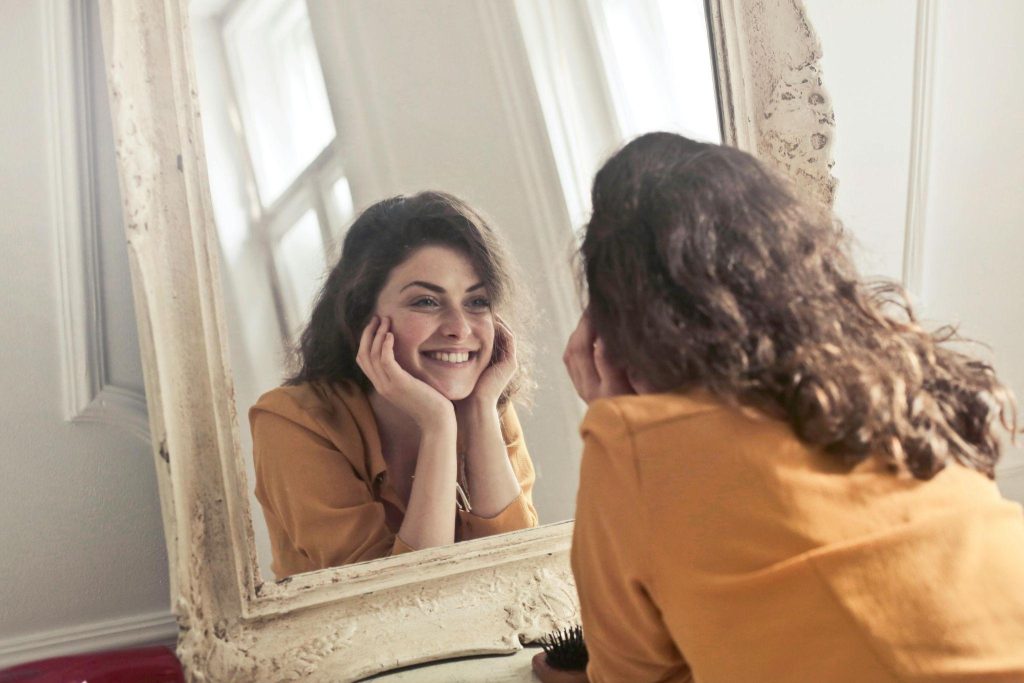
Photo by Andrea Piacquadio: https://www.pexels.com/photo/photo-of-woman-looking-at-the-mirror-774866/
Personal presentation has shifted. The problem is not that we lack options. The problem is that more choices across fashion, grooming, and “personal brand” visuals make it harder to look consistent, credible, and like ourselves, especially across work, social settings, and screens. That is why radiant looks, the kind that feel intentional, polished, and true to us, are becoming a practical standard for modern self-expression.
Radiance is not only about shine or trendiness. It is the combined impact of fit, colour, texture, grooming, and confidence working together. When these elements align, we move through the day with fewer second guesses and stronger presence.
The Core Problem: More Visibility, More Misread Signals
We are being “read” faster than ever. In meetings, networking events, content feeds, and profile photos, people form impressions quickly, often before a full conversation starts. That speed raises the cost of an unclear look. Even small details like wrinkled fabric, mismatched formality, or a tired-looking complexion can distract from what we are actually trying to communicate.
Common consequences we see:
- We overthink outfits because we are unsure what message we are sending.
- We look inconsistent across contexts, which can weaken trust.
- We buy trend pieces that do not fit our life, then default back to “safe” basics.
- We feel less confident because our wardrobe and routines do not support our identity.
The Solution: Treat Personal Presentation Like a Visual System
The easiest way to create a radiant look is to stop thinking in random outfits and start thinking in a simple system. We do not need a large wardrobe. We need repeatable rules that keep our presentation consistent.
A practical framework we can use:
- Clarity: People should quickly understand our vibe, like capable, creative, calm, or bold.
- Consistency: Our look should feel aligned across work, social, and online.
- Context-fit: Our choices should match the setting without feeling like a costume.
- Comfort: If something distracts us, it will show in posture, facial expression, and energy.
Benefit: When we build a system, we reduce decision fatigue, look more put together, and feel more confident without “trying harder.”
Most days, we are choosing a message as much as an outfit. When our clothing and grooming choices support that message, our presence feels clearer and more dependable.
Why Radiant Looks Work: The Psychology Behind Self-Image
Personal presentation is not only visual. It is behavioural. Clothing, grooming, and finishing details change how we hold ourselves. When we feel comfortable and aligned, we tend to stand taller, make better eye contact, and move with more ease. When we feel off, we rush, hide, or second-guess.
What tends to drive “radiance” in real life:
- Fit that supports movement, with less adjusting.
- Colours that brighten the face and sharpen contrast.
- Textures and fabrics that hold shape.
- Finishing details that signal care.
Real-world example: In professional settings, a structured layer like a blazer, tailored jacket, or sharp overshirt often increases perceived credibility because it signals preparation. On camera, a top that contrasts with the background can make us look sharper quickly, even with minimal effort.
The Overlooked Factor: Smile and Oral Aesthetics in First Impressions
We often focus on clothing and hair, but the smile is one of the most visible parts of personal presentation. It shows up in introductions, photos, video calls, and everyday conversation. When we feel self-conscious about our teeth, we may smile less, cover our mouth, or avoid close-up photos, which can change how approachable or confident we appear.
This is where personal presentation becomes more practical than aesthetic. If we want a radiant look that feels consistent, we need to consider what is visible in real interactions, including teeth and smile confidence. For people comparing options or looking for a dentist for teeth whitening in New York, it can help to review a clear explanation of whitening approaches, candidacy, and sensitivity considerations, including what whitening can and cannot do and what to ask during a consultation.
Benefit: When our smile aligns with how we want to present ourselves, we tend to communicate more freely, appear more open, and feel less guarded in social or professional moments.
Colour and Mood: Use Colour Like a Credibility Tool
Colour affects how we are perceived and how we feel. We do not need rigid rules, but we benefit from recognising common interpretations and using them intentionally.
Common colour signals people often read:
- Blue: calm, trust, stability
- Black: authority, elegance, strength
- White: clarity, cleanliness, simplicity
- Green: balance, groundedness
- Red: energy, presence, boldness
- Yellow: warmth, optimism
- Pink: friendliness, softness
Practical takeaway: Instead of asking “What is trending?”, we can ask what we want to project, what colours make our features look brighter under real lighting, and what tones hold up on camera.
Benefit: Better colour choices can make us look more awake and polished without adding effort.
Style Preferences: Make Your Look Recognisable Without Feeling Repetitive
Most people naturally cluster into a few style directions, even if they mix them. The goal is not to label ourselves, but to identify what we repeat and make it intentional.
Style directions and what they often signal:
- Classic: dependable, polished
- Minimalist: intentional, modern
- Bohemian: expressive, creative
- Trend-forward: current, experimental
- Vintage-inspired: individual, story-driven
Solution: Pick one or two “home base” styles, then use trends as accents. This keeps personal presentation stable while still allowing freshness.
Benefit: We look consistent and confident because our wardrobe supports a clear identity.
Trends Without Losing Identity: Selective Integration
Trends can be useful, but copying them literally can dilute personal style. The practical approach is selective integration. We take small elements that fit our identity and ignore the rest.
How to use trends without becoming a copy:
- Start with accessories first, like shoes, bag, jewellery, or scarf.
- Limit to one trend per outfit.
- Keep a timeless base built on reliable fits.
- Translate trend colours into shades that suit us.
- Pair a trend item with a personal signature.
Real-world example: If wide-leg trousers are trending, we can adopt the silhouette but keep our usual palette and shoes. That keeps the look current without changing who we are.
Digital-First Presentation: Radiance Needs to Work on Screen
Many first impressions happen through a screen. Video calls, profile photos, and casual content mean our look has to translate under lighting and compression.
What improves on-camera presence fast:
- Contrast: avoid blending into the background
- Necklines: frame the face cleanly
- Texture: subtle texture reads premium on screen
- Grooming details: clean lines, intentional finish
- Colour temperature: choose shades that work under indoor lighting
Benefit: We look sharper in minutes, without needing louder fashion choices. Having one reliable camera outfit also removes last-minute guesswork and keeps our presentation consistent.
The Radiant Look Toolkit: Fit, Fabric, Finish
- Fit that makes us look intentional
Radiant outfits usually have shoulders sitting correctly, hems and sleeve lengths that look clean, and no constant tugging or adjusting. If something is “almost right,” tailoring can make it look custom. - Fabric that holds shape and looks elevated
Structured cottons, wool blends with smooth drape, and quality knits tend to look refined because they keep their form. This matters in real life because clothes that collapse quickly look tired, even when they are clean. - Finishing details that signal care
Pressed clothing, clean shoes, a tidy bag or belt, consistent metal tones in jewellery, and edited layering create polish without looking overdone.
Benefit: These details create a professional, confident impression with minimal complexity.
A Simple Process for Authentic Self-Expression
Step 1: Choose three words for our presence
Example: calm, capable, warm.
Step 2: Translate each word into clothing cues
Calm can mean soft palette and clean lines. Capable can mean a structured layer and polished shoes. Warm can mean approachable colours and gentle textures.
Step 3: Build repeatable outfits that match those cues
This becomes our personal presentation system. It helps us shop less reactively and dress with more consistency.
Benefit: We stop guessing. Our look becomes coherent across contexts.
Wrap-Up: Why These Tools Matter
Radiant looks are not a performance. They are a repeatable set of tools: fit, colour, fabric, finishing details, and a clear personal style signal. When we treat personal presentation as a system, we reduce decision fatigue, look more consistent across real life and screens, and feel more confident without relying on constant trends.
The new era of personal presentation is not louder or more complicated. It is more deliberate, more authentic, and easier to sustain.