
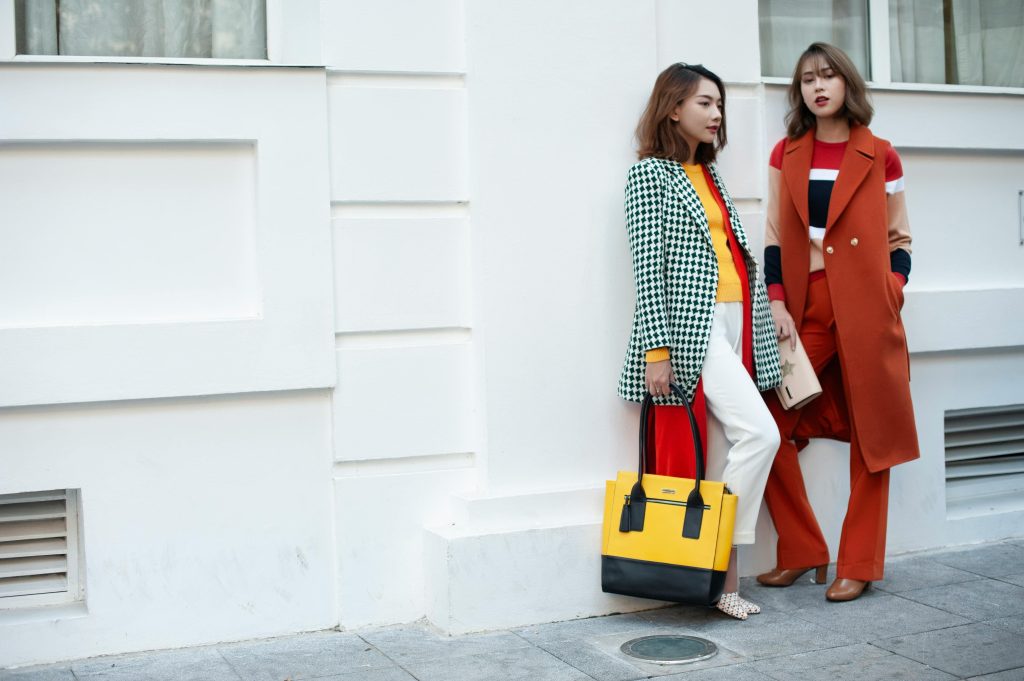
Packing for a trip from Florida’s sweltering heat to somewhere that requires an actual jacket isn’t exactly straightforward. You’re dealing with two completely different climates, and somehow you need to fit clothes for both into one suitcase without it bursting at the seams. The secret? It’s all about choosing pieces that can pull double duty, adapting seamlessly whether you’re sweating through Orlando’s humidity or shivering in Seattle’s drizzle. Smart layering combined with the right fabrics means you won’t end up lugging half your closet across the country.
Mastering the Art of Strategic Layering
About layering, it sounds simple until you’re actually trying to do it without looking like you’re wearing your entire wardrobe at once. Start with base layers that breathe well and don’t trap moisture against your skin (because nobody wants that sticky feeling when they’re rushing through Miami International). Thin merino wool or premium cotton pieces work wonders since they’re natural temperature regulators and won’t start smelling funky after a long travel day. Stock up on neutral camisoles, well-fitted tees, and long-sleeve basics that look perfectly fine on their own but also disappear nicely under other layers.
Selecting Versatile Outerwear Options
Your outerwear choices can make or break your entire packing strategy, so this is where you really want to think strategically. A lightweight trench or duster-length jacket performs beautifully in transitional weather, giving you coverage without turning you into a walking furnace when it’s not quite cold enough. When you’re heading somewhere genuinely chilly, a packable down jacket or vest becomes your best friend; it squishes down to practically nothing but puffs up to keep you toasty when temperatures plummet. Cardigans deserve serious consideration too, since you can wear them loose and open in milder weather or layer them under something heavier when winter really shows up.
Building a Foundation with Smart Fabric Choices
Not all fabrics are created equal when you’re dealing with wildly different climates on a single trip. Natural materials like cotton, linen, and silk let your skin breathe in warm weather while still providing decent insulation when you stack them up for colder temps. Merino wool deserves its own fan club, it regulates temperature like magic, pulls moisture away from your body, and somehow stays relatively wrinkle-free even after being crammed in luggage. Performance fabrics with moisture-wicking properties are game-changers when you’re bouncing between humid and dry climates within days or even hours.
Creating Mix-and-Match Outfit Combinations
Building a color palette that works together saves you from that panicky “I have nothing to wear” moment in your hotel room. Start with neutral anchors, think black, navy, gray, beige, or white, then toss in one or two accent colors that play nicely with everything else. This strategy lets you create tons of different looks from just a handful of pieces, which means less weight in your bag and fewer decisions when you’re getting dressed. Pick bottoms that can swing from casual to dressy depending on what you’re doing, like dark jeans, ponte pants, or tailored trousers in fabrics that don’t scream “summer only” or “winter only. ” Sleeved dresses work remarkably well for temperature transitions when you pair them with different layers, tights, and shoes to match whatever the day throws at you. When traveling between temperature extremes, professionals who need to maintain a polished appearance often rely on Charlie B clothing for pieces that transition seamlessly from casual to dressy occasions. Before any item makes it into your suitcase, ask yourself if it works with at least three other pieces you’re bringing. If it doesn’t pass that test, leave it home. This intentional packing approach guarantees every item earns its spot through multiple outfit possibilities.
Accessorizing for Temperature Flexibility
Don’t underestimate accessories, they’re secret weapons for adapting your look without eating up luggage space or your budget. Scarves are incredibly versatile, wrapping around your neck when it’s cold, draping over your shoulders in overly air-conditioned restaurants, or jazzing up a plain outfit that needs something extra. A quality pashmina or oversized cotton scarf can moonlight as a plane blanket or even a beach cover-up if you end up somewhere sunny. Layered jewelry elevates casual outfits instantly, while one bold statement piece can take a basic ensemble from day to night without packing separate dressy clothes.
Footwear Solutions for Multi-Climate Travel
Shoes are honestly the hardest part of multi-climate packing because they’re bulky, they’re heavy, and you actually need different types for different situations. Try to limit yourself to three pairs max: comfortable walking shoes for pounding the pavement, versatile boots or booties that handle various weather conditions, and dressier flats or low heels for nicer evenings out. Stick with neutral colors that match everything you’re bringing rather than shoes that only work with one outfit. Waterproof or water-resistant options are lifesavers when you’re dealing with unpredictable weather or rainy destinations.
Conclusion
Getting your wardrobe right for Florida-to-chilly-destination travel comes down to thoughtful planning, choosing fabrics that work overtime, and mastering layering techniques that keep your suitcase manageable. When you build a capsule wardrobe around neutral colors and adaptable pieces, you can handle dramatic temperature swings without losing your style or your comfort. Investing in quality transitional clothing really pays off, especially if you’re someone who travels between different climates regularly. The whole point is creating a flexible system that works for most situations rather than trying to pack for every possible what-if scenario. That’s how you end up checking bags you don’t need.