

Is Your Home Working Against You? A Safety Checklist for Aging
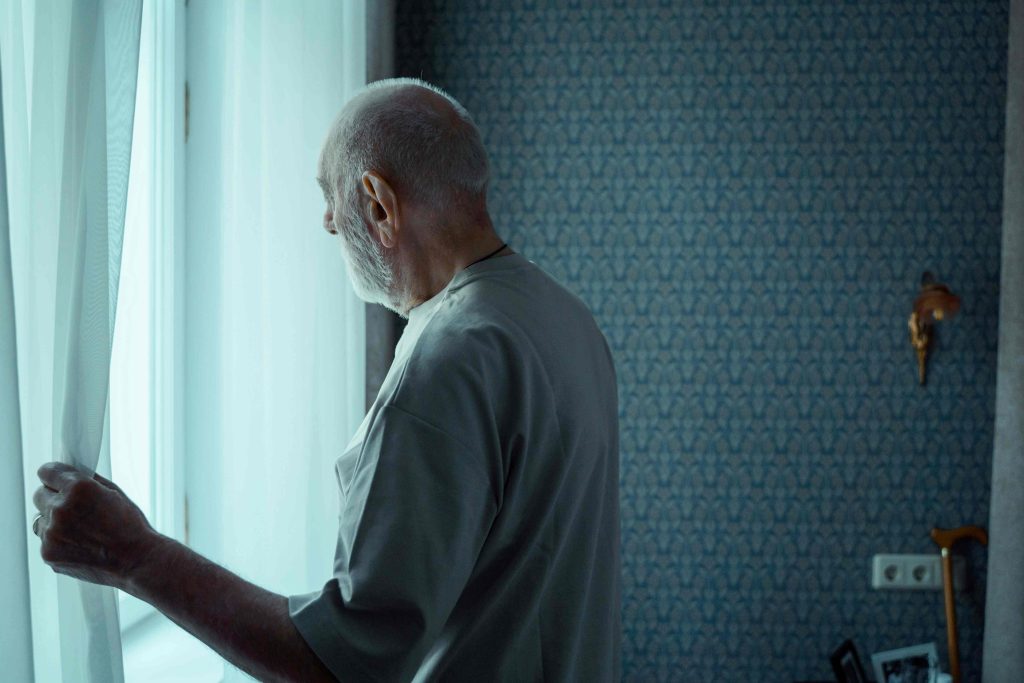
Home is where routines feel familiar and memories are rooted, but as we age, the spaces that once felt effortless can quietly become more difficult to navigate. Changes in balance, vision, strength, and reaction time can turn everyday features like stairs, slick floors, or poor lighting into safety concerns. Aging in place often remains a top priority, yet safety should be part of that goal, not an afterthought. Understanding how your home supports or undermines your independence is a critical step toward staying confident and secure in daily life.
A thoughtful home safety checklist allows you to spot potential hazards early and make meaningful adjustments that preserve both independence and peace of mind. These changes do not need to be dramatic or disruptive. Often, small updates can significantly reduce risk and make daily routines safer and more comfortable.
Entryways and Flooring: Reducing the Risk at Ground Level
Entryways and flooring are common areas where accidents occur, particularly from slips or trips. Uneven walkways, cluttered thresholds, and loose rugs can pose risks that are easy to overlook. Outdoor entry paths should be level, well lit, and free of cracks or obstructions. Inside the home, doormats should lie flat and stay securely in place.
Flooring surfaces deserve close attention throughout the home. Smooth surfaces like tile or hardwood can become slippery, especially near kitchens and bathrooms. Anti slip mats, textured flooring, and properly secured carpeting help improve traction. Area rugs should have non slip backing or be removed entirely if they shift underfoot. Clear pathways through rooms support safe and confident movement, particularly for those who use mobility aids.
Lighting and Visibility: Seeing Hazards Before They Happen
Poor lighting can make a safe home feel unpredictable. As eyesight changes with age, shadows and dim corners can hide obstacles. Bright, even lighting improves visibility and reduces the likelihood of missteps.
Light switches should be easy to reach at room entrances and along hallways. Motion activated lighting can be especially helpful in areas such as stairways or bathrooms used at night. Window treatments that allow natural light during the day also support orientation and mood, while glare free bulbs help reduce eye strain. Good lighting supports not just safety, but also confidence when moving through the home.
Bathrooms and Kitchens: High Use Areas With Higher Risk
Bathrooms and kitchens see frequent use and present unique safety challenges. In bathrooms, wet surfaces increase the risk of slips and falls. Grab bars near toilets and inside showers or tubs offer stability and peace of mind. Non slip mats and walk in showers with low thresholds improve accessibility without sacrificing comfort or appearance.
Kitchens benefit from thoughtful organization. Frequently used items should be stored within easy reach to reduce the need for step stools or bending. Appliances with clear controls, automatic shut off features, and easy grip handles support independence while minimizing risk. Adequate lighting over counters and sinks ensures tasks are easier to perform safely.
Stairs, Hallways, and Transitions: Supporting Safe Movement
Stairs are often one of the most challenging features in an aging home. Even for those who feel steady, stairs require strength, balance, and coordination. Handrails on both sides add support and confidence. Steps should be in good repair, clearly visible, and well lit from top to bottom.
Hallways and transitions between rooms should remain uncluttered and wide enough to navigate comfortably. Thresholds between rooms can pose tripping hazards if they are raised or uneven. Smoothing these transitions makes movement easier and reduces the risk of injury during routine activities.
For some individuals, reevaluating home layout leads to broader lifestyle decisions. Exploring residential options that prioritize accessibility and safety, such as communities like Oak Gardens Place, can be part of a proactive approach to long term wellbeing. These environments are designed with aging related needs in mind, offering layouts and features that reduce hazards while supporting independence.
Daily Function and Emergency Preparedness
Beyond physical features, home safety includes preparation for unexpected situations. Access to a phone in multiple rooms, clear emergency contact information, and personal alert systems can make a critical difference. Smoke detectors, carbon monoxide alarms, and easily accessible fire extinguishers should be in good working order.
Furniture arrangement also affects safety. Chairs and beds should be at heights that allow easy sitting and standing. Stable furniture provides support when needed, while sharp edges or unstable pieces increase the risk of injury. Reviewing these details ensures the home functions as a supportive environment rather than an obstacle.
Conclusion
Aging safely at home begins with awareness and intentional changes. By evaluating entryways, lighting, high use areas, and daily functionality, it becomes clear whether a home is working for you or against you. Addressing safety proactively supports independence, confidence, and long term wellbeing. Whether making small modifications or considering environments designed to support aging adults, prioritizing safety helps ensure that home remains a place of comfort, security, and ease rather than a source of risk.