
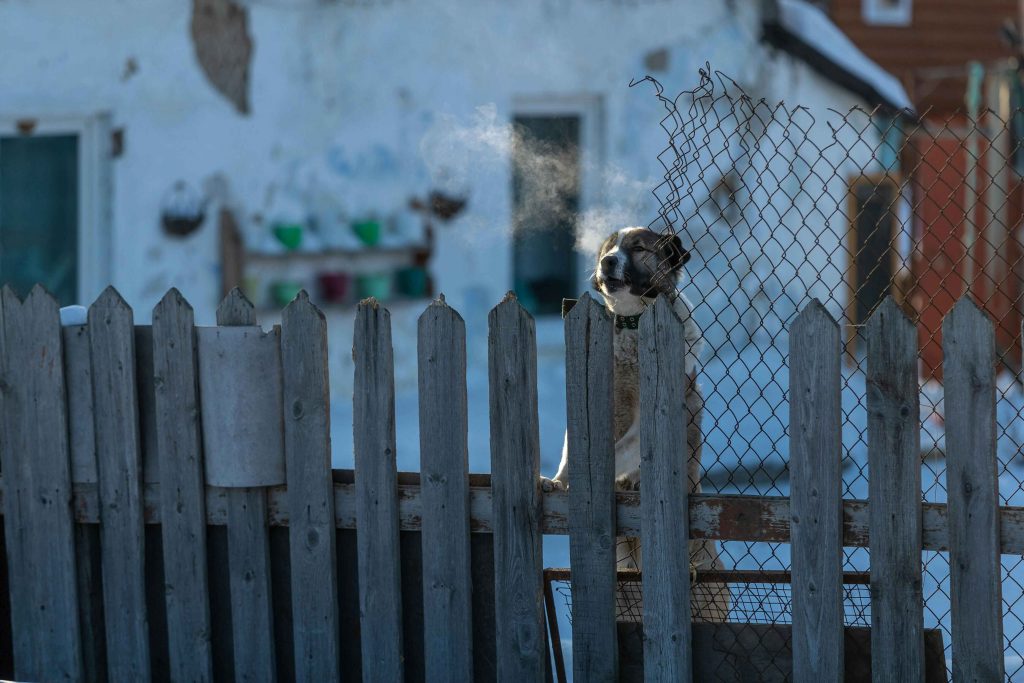
Protection dogs are respected for their intelligence, loyalty, and ability to respond confidently in high pressure situations. While natural instinct plays a role in their abilities, true reliability comes from extensive professional training. This type of preparation turns a capable dog into a trustworthy protector who knows how to assess situations, remain calm, and act only when necessary. Understanding how professional training develops these qualities helps highlight the significance of the process and the dedication required to create dependable protection dogs. The training focuses on structure, communication, emotional balance, and controlled skill development, all of which work together to create a dog that can perform consistently and safely.
Establishing Consistent Behavior Through Obedience
Professional training begins with obedience, which serves as the foundation for all future skills. Commands such as sitting, staying, coming when called, and walking under control are reinforced until they become second nature. Trainers repeat these exercises in various environments to ensure the dog listens regardless of distractions. This consistency builds trust between the dog and handler and ensures that more advanced commands can be followed with the same reliability. Without solid obedience, a protection dog would struggle to perform safely in real world situations.
Strengthening Judgment and Restraint
Reliable protection dogs must know when to respond and when to remain neutral. Professional trainers teach dogs how to interpret body language, identify real threats, and stay composed in unfamiliar settings. A dog that reacts out of fear or confusion can create dangerous situations, so judgment and restraint are essential qualities. During training, dogs learn that responding appropriately is more valuable than reacting quickly. Programs that focus on developing balanced protection skills, such as those dedicated to fully trained protection dogs, emphasize measured responses rather than aggression. This approach creates dogs that can protect effectively without unnecessary escalation.
Preparing for Real Life Situations
Scenario based training is an important part of shaping protection dogs. Instead of learning commands in a controlled environment alone, dogs are placed in realistic simulations that resemble potential threats. These scenarios may include unfamiliar noises, sudden movements, or staged confrontations. The goal is not to frighten the dog but to teach them how to process information under pressure. When a dog can remain calm and focused in these moments, it becomes better equipped to handle real emergencies. Scenario work also helps the dog learn that not every unusual situation requires intervention, refining their ability to make sound decisions.
Improving Physical and Mental Conditioning
Protection work requires both physical strength and mental sharpness. Professional trainers provide conditioning exercises that enhance endurance, agility, and coordination. These exercises help dogs move confidently and respond quickly when needed. Mental conditioning is equally important. Dogs must stay alert without becoming anxious and remain aware of their surroundings while focusing on commands. Trainers use structured exercises to develop this balance, ensuring the dog stays composed even in unpredictable situations. When both physical and mental conditioning are strong, the dog becomes more dependable and resilient.
Building a Strong Partnership with the Handler
Professional training programs emphasize the relationship between the dog and its handler. Even the most skilled dog needs clear communication and consistent leadership from its owner. Trainers teach handlers how to give commands, read their dog’s signals, and reinforce positive behaviors. This partnership ensures the dog understands who to follow and how to respond in different circumstances. A strong bond also enhances trust, making the dog more confident and secure in its role. When dog and handler work together effectively, their connection becomes a powerful foundation for reliable protection.
Maintaining Training for Long Term Success
Training does not end once a dog completes a professional program. Protection dogs require ongoing practice to maintain their skills. Regular refreshers in obedience, scenario training, and handler communication help reinforce what the dog has learned. These sessions keep the dog sharp and ensure that skills remain consistent over time. Continued training also strengthens the relationship between dog and owner, reinforcing trust and cooperation. When maintenance becomes a routine part of ownership, the dog remains confident, capable, and prepared for any situation that may arise.
Conclusion
Professional training plays a crucial role in developing protection dogs that are both skilled and emotionally balanced. Through obedience work, judgment training, scenario preparation, physical conditioning, and strong handler relationships, these dogs become reliable partners capable of providing safety without sacrificing companionship. The dedication that goes into their training creates animals that can adapt confidently to real life situations and offer dependable support to their owners. A professionally trained protection dog reflects the combined effort of structured guidance, consistent practice, and thoughtful refinement, resulting in a guardian who is both trustworthy and deeply loyal.