

How Preventative Care Can Reduce the Need for Procedures
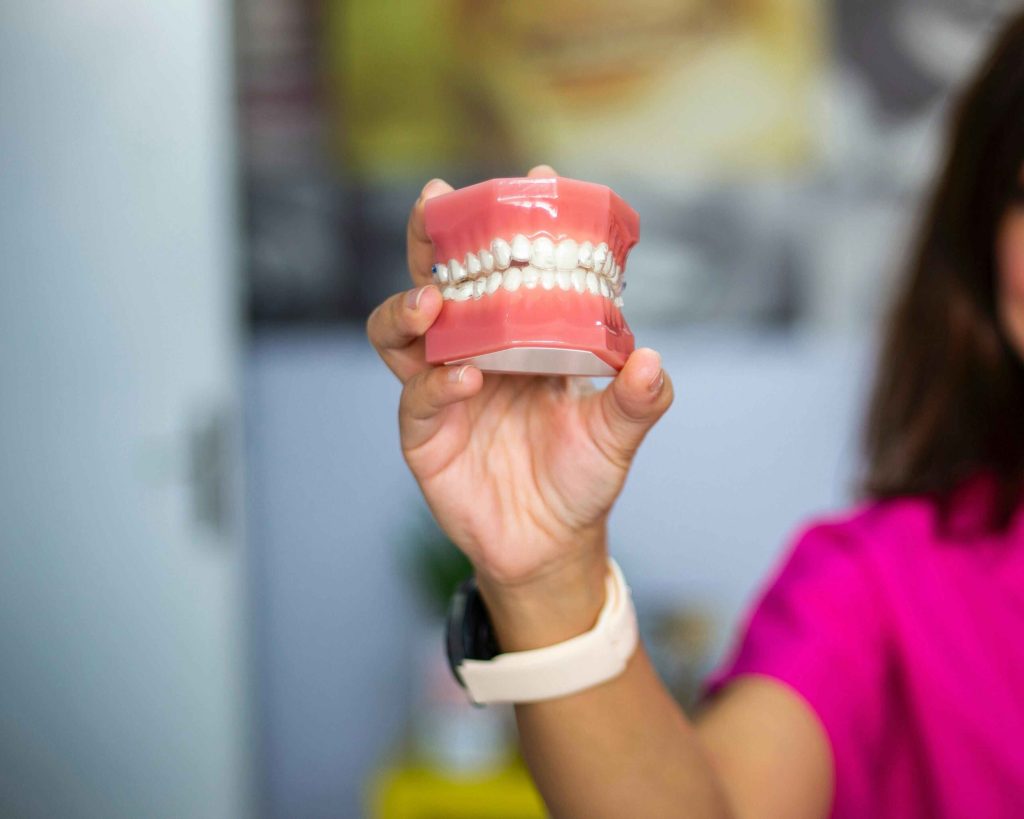
Preventative dental care is often associated with routine cleanings and checkups, yet its impact extends far beyond basic maintenance. Consistent preventive practices protect not only teeth and gums but also reduce the likelihood of complex and invasive procedures later in life. When oral health is managed proactively, patients benefit from greater comfort, lower long-term costs, and improved overall wellness.
Many dental concerns develop gradually, making them easy to ignore in early stages. Preventative care focuses on identifying and addressing these concerns before they escalate. This approach allows patients to maintain stability and avoid treatments that become necessary only after prolonged neglect.
Understanding Preventative Dental Care
Preventative dental care includes habits and professional services designed to protect oral health before problems arise. Regular cleanings, exams, and early assessments allow providers to monitor changes over time. These appointments create opportunities to spot subtle issues that may not yet cause symptoms.
Preventative care is also educational by nature. Patients learn how daily habits influence long-term oral health outcomes. This knowledge empowers individuals to make informed choices that protect their teeth and gums between visits.
Stopping Problems Before They Advance
Small dental issues rarely remain small when left untreated. Plaque buildup, early gum inflammation, or minor enamel erosion can gradually worsen, leading to infection or structural damage. Preventative care interrupts this progression by addressing concerns early.
Early intervention minimizes the need for procedures that are more time consuming and involved. Addressing minor issues preserves natural tooth structure and reduces strain on surrounding tissues. This approach protects long-term oral health while maintaining comfort.
Protecting Gum and Bone Health
Gum health plays a critical role in preventing advanced procedures. Early-stage gum disease often presents few symptoms, but it can progress quickly if ignored. Preventative care allows providers to detect and treat inflammation before it affects bone and supporting structures.
Bone loss related to untreated gum disease is a common cause of tooth instability. Preventative treatment preserves bone density by managing bacterial buildup early. Protecting these structures reduces the likelihood of surgical intervention later.
Maintaining Tooth Structure Through Prevention
Enamel does not regenerate once it is damaged. Preventative care focuses on preserving enamel by managing plaque and acid exposure. Routine cleanings remove buildup that brushing alone may miss, reducing the risk of decay.
When enamel is preserved, teeth are better protected against sensitivity and damage. Preventative measures reduce the need for fillings, crowns, or more extensive restorations. Over time, this preservation supports stronger and more resilient oral health.
Reducing the Risk of Tooth Loss
Tooth loss often occurs after a series of preventable issues go untreated. Decay, gum disease, and infection gradually weaken support structures until extraction becomes necessary. Preventative dental care interrupts this cycle by addressing the root causes early.
Maintaining natural teeth whenever possible reduces the need for replacement procedures. Preventative strategies focus on longevity rather than repair. This mindset helps patients maintain function and comfort long term.
The Role of Professional Monitoring
Consistent professional monitoring is a cornerstone of preventative care. Dental providers compare changes between visits, allowing patterns to emerge. These insights guide recommendations tailored to each patient’s specific needs.
Working with experienced professionals such as dental implant doctors in Cleburne often highlights how early preventive measures can delay or eliminate the need for surgical restoration. Monitoring allows providers to intervene strategically and preserve oral structures. This proactive collaboration supports long-term health planning.
Preventative Care and Overall Health
Oral health affects the body beyond the mouth. Inflammation and infection in oral tissues can influence immune response and systemic health. Preventative care helps reduce chronic inflammation by maintaining a clean, balanced oral environment.
By managing oral health routinely, patients reduce health risks associated with untreated infection. Preventative visits support early detection of abnormalities that may indicate broader concerns. This integrated approach supports total wellness rather than isolated treatment.
Encouraging Consistent Healthy Habits
Preventative care reinforces positive daily habits. Regular visits motivate patients to maintain brushing, flossing, and dietary awareness. Accountability plays a powerful role in sustaining these behaviors over time.
As habits improve, oral health stabilizes. Patients often notice fewer symptoms and increased comfort. This positive feedback encourages continued engagement in preventive practices.
Reducing Anxiety Around Dental Care
Unexpected procedures often create anxiety and stress. Preventative care promotes predictability, allowing patients to approach dental visits with confidence. Knowing that care focuses on maintenance rather than intervention reduces emotional strain.
Regular visits also build familiarity and trust. When patients feel comfortable with their providers, they are more likely to seek care early. This trust supports healthier outcomes and smoother long-term care.
Conclusion
Preventative dental care plays a critical role in reducing the need for extensive procedures. By addressing small concerns early, patients protect tooth structure, gum health, and bone stability while supporting overall wellness. Consistent preventive practices offer comfort, predictability, and long-term confidence, making them a foundational element of lasting oral health.