
Beyond Plastic Pens: Redefining Business Merch for a Greener Era
Promotional merchandise has long been a staple of business marketing, but it is undergoing a profound transformation. For decades, simple giveaway items were enough to keep a brand visible. Today’s audiences expect more. As sustainability becomes a defining value across industries, companies are rethinking what their branded products say about them. Cheap plastics and disposable trinkets increasingly feel out of step with modern expectations. The next era of business merch calls for thoughtful design, responsible materials, and a commitment to reducing environmental impact. This shift is not only about optics. It reflects the broader movement toward sustainable operations and customer aligned values.
Why Sustainability Matters in Merchandising
Consumer expectations are a key driver behind the shift toward greener branded products. Many buyers and employees now associate sustainability with credibility. When a company distributes single use items that end up in the trash quickly, it sends a message that contradicts environmental commitments. Modern audiences are more aware of waste and resource consumption, and they pay attention to the signals brands send.
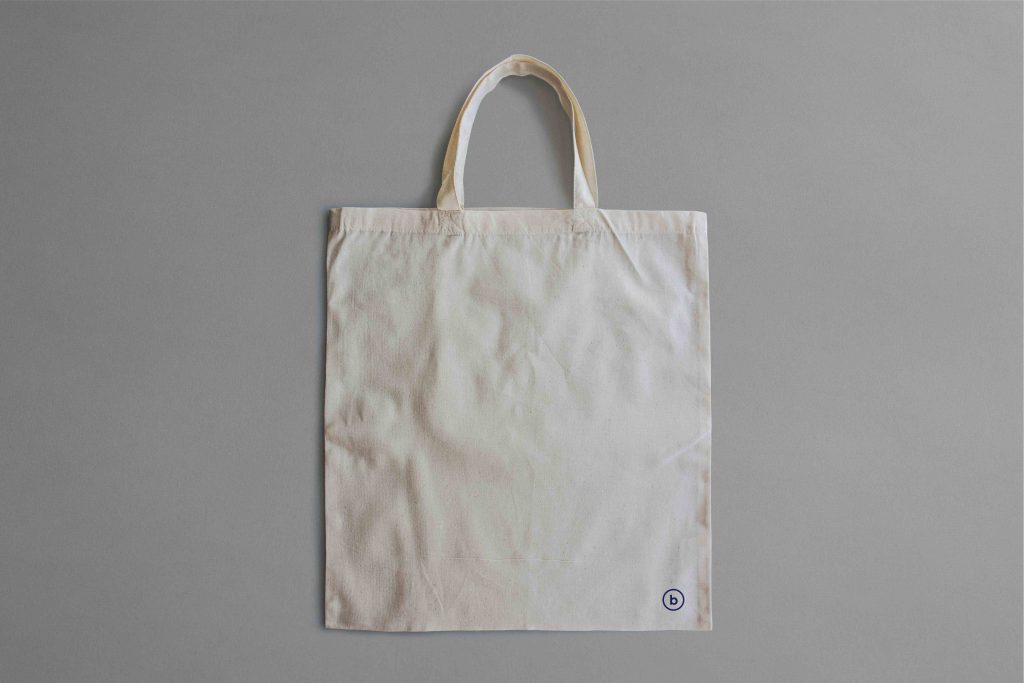
Sustainable merchandise offers a different kind of brand impression. Products made from recycled, renewable, or responsibly sourced materials demonstrate care for long term impact. Items designed for longevity can reduce waste while also strengthening brand exposure. A well made water bottle, tote bag, or piece of apparel remains in use far longer than a disposable promo item. This makes sustainability a strategic choice as much as an ethical one. When brands show they are thinking about the full lifecycle of their merchandise, they build trust and reinforce their values.
Rethinking Materials and Production Practices
One of the biggest opportunities in modern merch lies in material innovation. Recycled plastics, reclaimed metals, bamboo, organic cotton, and biodegradable fibers have all moved from niche options to mainstream offerings. These materials give companies the ability to create high quality items without relying on resource intensive processes.
Sustainable production practices matter as well. Many suppliers now prioritize reduced water consumption, lower emissions, and ethical labor standards. Brands looking to align with greener principles are evaluating their vendors to ensure the supply chain reflects responsible choices. The transparency movement has pushed companies to understand where their materials come from and how their products are made. As a result, merch programs are becoming more intentional.
There is also a growing focus on multifunctionality. A durable item that replaces single use products in a person’s daily life not only reduces waste but also provides ongoing brand visibility. For example, reusable cutlery kits, well built drinkware, or versatile bags can reinforce a message of sustainability while serving practical needs.
Designing Merch with Purpose and Longevity
A sustainable merchandise strategy is not just about choosing eco friendly materials. It also requires thoughtful design that prioritizes usefulness. People keep and use items that add value to their routines, which minimizes waste and strengthens brand presence.
Designers today consider the entire lifecycle of a product. This includes durability, recyclability, and the potential for long term use. Clean aesthetics, high quality construction, and timeless branding help items remain relevant. Overly trendy or heavily logo focused pieces often get discarded quickly because they feel less versatile. In contrast, subtle branding paired with attractive design encourages continued use.
Companies are also adopting minimalist approaches that reduce excess packaging or unnecessary add ons. Even small decisions, such as replacing plastic wrapping with recycled paper or offering digital instructions instead of printed inserts, contribute to a more responsible merchandise strategy. When every aspect of the product is considered, the result feels intentional rather than superficial.
Leveraging Digital Platforms to Support Sustainable Merch
Digital infrastructure has become an important part of modern merchandising programs. Businesses increasingly rely on platforms that allow on demand ordering, streamlined distribution, and reduced inventory waste. An online company merch store makes it easier to manage quantities, avoid overproduction, and track what items customers actually want. When merch is produced only when needed, companies can significantly reduce surplus stock and prevent unused products from ending up in landfills.
These platforms also provide the flexibility to showcase new sustainable products as they become available. They support limited release collections, seasonal sustainability campaigns, and customizable merchandise programs that adapt to evolving trends. By connecting digital convenience with responsible sourcing, brands create a merchandising ecosystem that supports long term environmental goals.
How Greener Merch Strengthens Brand Reputation
A sustainable merchandise strategy has ripple effects across a company’s reputation. When employees receive eco conscious items, they feel more aligned with the organization’s mission. When customers encounter thoughtful, high quality products, their perception of the brand improves. Sustainable merch often sparks conversations that reinforce brand identity and values.
Companies that embrace greener practices differentiate themselves in competitive markets. They signal that they are forward thinking and willing to evolve with cultural expectations. Over time, this approach builds loyalty and trust, two attributes that influence purchasing decisions and long term engagement. It also positions the business as a leader in responsible operations, a trait that matters to partners, investors, and employees alike.
Conclusion
The shift from disposable giveaways to sustainable merchandise reflects a broader change in how businesses communicate their values. Today’s brands understand that every item they produce sends a message about who they are. By choosing responsible materials, designing for longevity, leveraging digital platforms, and prioritizing environmental impact, organizations can create merchandise that resonates deeply with modern audiences. Sustainable merch is not a trend. It is a strategic approach that supports both brand reputation and a healthier planet.