

Why Martial Arts Is One of the Few Activities That Teaches Both Independence and Community
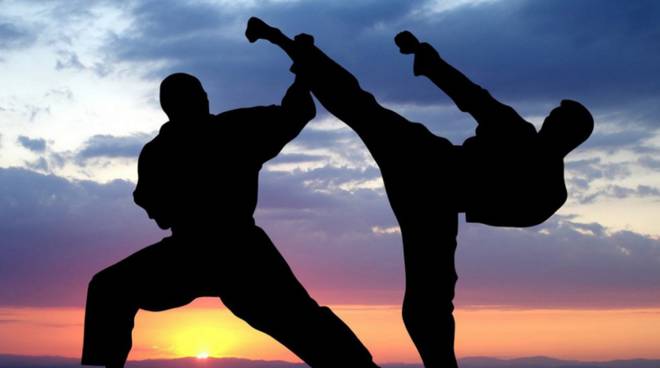
For many parents, finding the right activity for a child can feel like a balancing act. Some programs emphasize individual achievement, while others focus almost entirely on teamwork. Few activities successfully teach both. Martial arts is one of the rare exceptions.
Students learn how to stand on their own while also becoming part of something larger than themselves. This combination of independence and community is one of the reasons martial arts continues to benefit children and adults long after they step off the training floor.
In today’s world, many people spend large portions of their day connected digitally but disconnected socially. Martial arts offers something different. It creates real-world interactions built around respect, shared goals, and personal growth.
One of the first lessons students discover is personal responsibility. Progress in martial arts cannot be delegated to someone else. A student cannot ask a teammate to earn a belt for them or complete their training on their behalf. Improvement comes through consistent effort, practice, and commitment.
This teaches independence in a practical way.
Students learn that their success is directly connected to their actions. Showing up to class, paying attention, practicing techniques, and maintaining a positive attitude all contribute to growth. These lessons often carry into school, work, and personal relationships.
At the same time, martial arts is not a solitary pursuit.
Training requires interaction with instructors and fellow students. Beginners learn from advanced students. Advanced students often mentor newer practitioners. Everyone benefits from working together while pursuing individual goals.
This dynamic creates a strong sense of community.
Unlike many competitive environments, martial arts schools often encourage cooperation as much as competition. Students want to improve individually, but they also want their training partners to improve. Better partners create better learning experiences for everyone.
This culture of mutual support helps students develop empathy and patience.
Children learn how to encourage others rather than viewing every interaction as a competition. Adults often rediscover the value of community in an environment where people genuinely want to see one another succeed.
The structured nature of martial arts also helps strengthen social skills.
Students learn how to communicate respectfully, follow instructions, and work with people of different ages and backgrounds. These interactions happen naturally through training and become valuable life skills outside the dojo.
For younger students, this can be especially important.
Many children struggle with confidence in social settings. Martial arts provides opportunities to interact with others while working toward shared goals. Over time, students become more comfortable speaking, participating, and taking initiative.
The Upper West Side is known for its strong sense of community, and martial arts programs often reflect those same values. Families, children, teenagers, and adults train together in an environment built around mutual respect and personal development.
The result is a unique experience where students gain confidence without becoming isolated and develop independence without losing their connection to others.
Physical benefits are certainly part of the equation. Students improve coordination, balance, flexibility, and overall fitness. However, many long-term practitioners would argue that the emotional and social benefits are equally important.
Learning how to rely on yourself while remaining connected to a supportive community is a skill that extends far beyond martial arts.
This balance becomes increasingly valuable as students grow older. Whether facing academic challenges, career opportunities, or personal obstacles, the ability to be both independent and connected helps people navigate life more effectively.
For those exploring martial arts upper west side programs, martial arts offers much more than physical training. It provides an environment where confidence, responsibility, leadership, and community grow together.
In a world where many activities lean heavily toward either individual achievement or group participation, martial arts continues to stand apart by teaching both. Students learn how to succeed on their own while contributing to the success of those around them.
That lesson may be one of the most valuable skills martial arts has to offer.