
Why Lifesaving Skills Are Worth Learning at Any Age
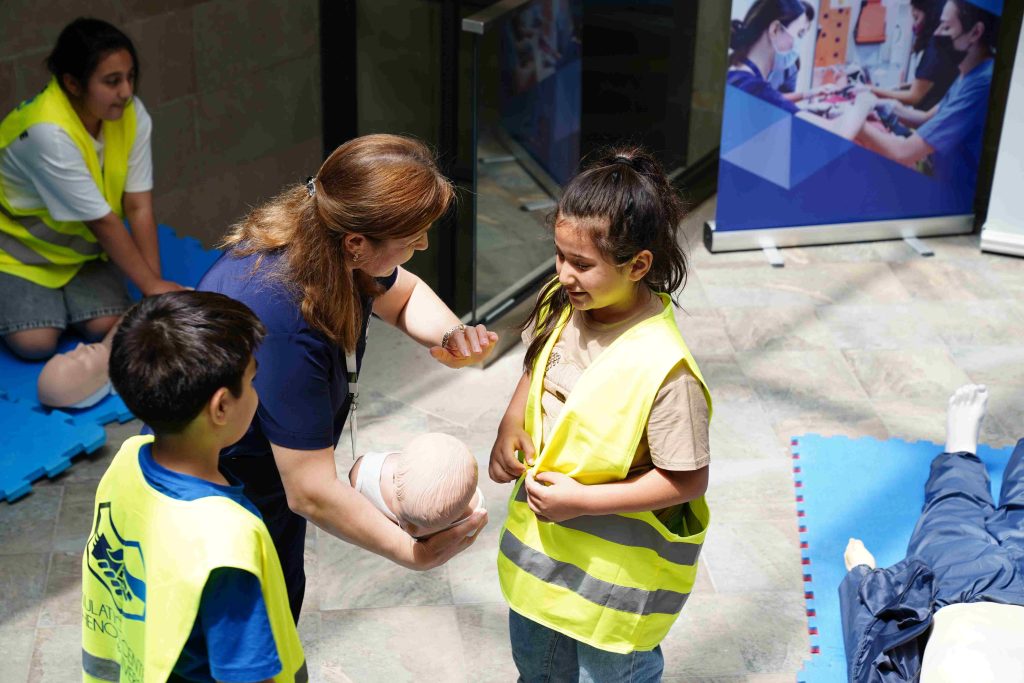
Emergencies can happen without warning, and when they do, the people nearby are often the first line of assistance. Whether it is a medical emergency at home, an accident in a public place, or a health crisis involving a friend or family member, having the knowledge to respond appropriately can make a significant difference. Lifesaving skills provide individuals with the confidence and ability to act when every second matters.
Many people assume that emergency response training is only necessary for healthcare workers or first responders. However, the reality is that people of all ages and backgrounds can benefit from learning how to respond during critical situations. Gaining these skills is not only about helping others but also about developing confidence, responsibility, and preparedness for life’s unexpected moments.
Building Confidence in Emergencies
One of the most valuable benefits of learning lifesaving skills is the confidence it creates. During an emergency, panic and uncertainty can prevent people from taking action. Training helps individuals understand what to do, allowing them to respond with greater calm and focus when a situation becomes serious.
Confidence comes from practice and knowledge. When people understand the steps involved in responding to emergencies, they are less likely to feel overwhelmed. Instead of standing by helplessly, they can take meaningful action while waiting for professional medical assistance to arrive.
This confidence often extends beyond emergency situations. People who complete lifesaving training frequently report feeling more capable and prepared in many aspects of daily life. The ability to remain calm under pressure becomes a valuable skill that can be applied in various personal and professional settings.
Expanding Career and Professional Opportunities
Lifesaving skills can also provide professional advantages. Many employers value workers who demonstrate preparedness, responsibility, and a commitment to safety. Having relevant certifications may strengthen a resume and distinguish candidates in competitive job markets.
Certain industries actively encourage or require emergency response training. Healthcare, education, fitness, childcare, hospitality, and public service positions frequently benefit from employees who possess lifesaving qualifications. In some cases, obtaining additional credentials can lead to new responsibilities and career advancement opportunities.
For individuals exploring healthcare-related careers, earning a credential such as bls certification can demonstrate dedication to professional development. The training provides practical skills while introducing participants to standards commonly used in healthcare environments.
Strengthening Communities Through Preparedness
Communities become safer when more people possess lifesaving knowledge. Emergencies can occur in schools, parks, businesses, sports facilities, and community events. Having trained individuals present increases the likelihood that someone can provide assistance before professionals arrive.
Prepared communities often experience stronger social connections because residents understand the importance of looking out for one another. People who learn emergency response skills frequently become advocates for safety and encourage others to pursue training as well. This creates a culture of preparedness that benefits everyone.
Community preparedness is especially important during large gatherings or natural disasters when emergency services may be stretched across multiple situations. Citizens who possess training can provide valuable assistance while following established safety guidelines.
Lifelong Learning and Personal Growth
Learning lifesaving skills is an example of lifelong education that provides continuous value. Unlike many subjects that remain purely theoretical, these skills have direct real-world applications. Participants gain practical knowledge that can be used in meaningful ways throughout their lives.
Training programs also encourage personal growth by developing discipline, attention to detail, and critical thinking abilities. Responding effectively during emergencies often requires quick assessment and decision-making. Practicing these skills can improve an individual’s overall confidence and problem-solving capabilities.
Many people discover a sense of personal fulfillment through emergency response education. Knowing they have acquired skills that could potentially help save a life creates a meaningful sense of purpose. This motivation often encourages further learning and continued involvement in health and safety initiatives.
Staying Current Through Ongoing Education
Lifesaving techniques evolve as medical research and best practices continue to advance. Ongoing education ensures that individuals remain familiar with the latest recommendations and procedures. Even experienced responders benefit from periodic review and skills practice.
Refresher courses provide opportunities to reinforce important concepts and maintain confidence. Regular training helps prevent skills from becoming outdated or forgotten over time. This continued commitment to learning supports effective responses when emergencies arise.
Maintaining current knowledge also demonstrates responsibility and dedication. Individuals who stay updated are better prepared to assist others and contribute positively to their workplaces, families, and communities.
Conclusion
Lifesaving skills are valuable at every stage of life because emergencies can occur anywhere and affect anyone. Learning how to respond during critical situations builds confidence, strengthens communities, and provides practical knowledge that can make a meaningful difference when every moment counts.Whether someone is a student, parent, professional, or retiree, emergency response training offers benefits that extend far beyond the classroom. The ability to help others during a crisis is a powerful skill that promotes personal growth, safety, and preparedness. Investing time in learning lifesaving techniques is an investment in both individual capability and community well-being.