

The Secret to Long-Lasting, Healthy-Looking Hair
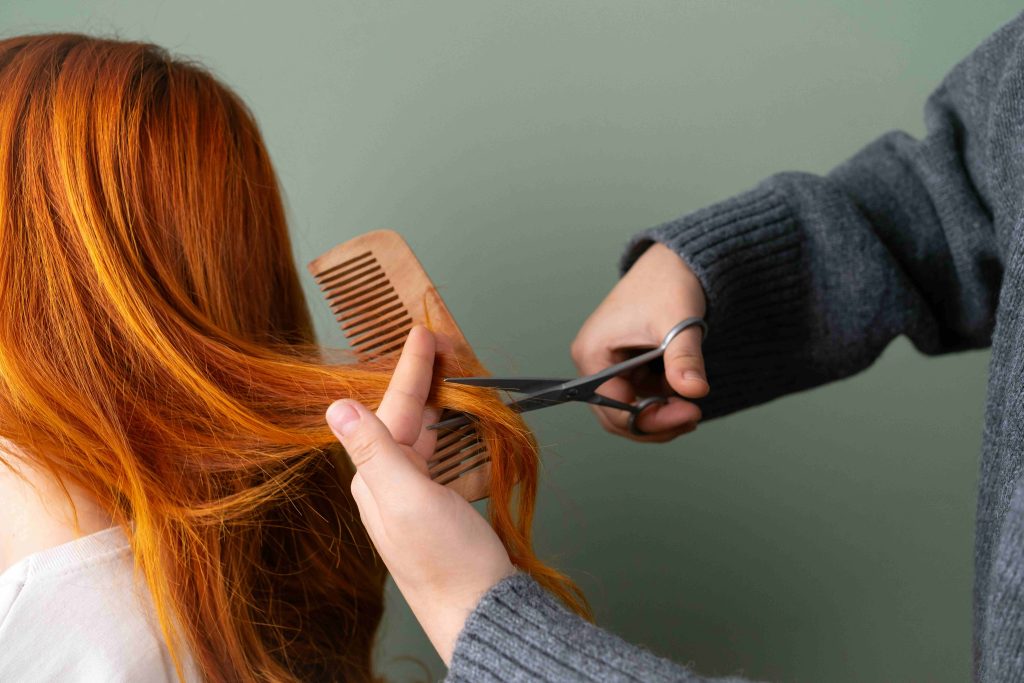
Many people spend a significant amount of time styling their hair each day, yet still struggle to achieve results that last and look healthy throughout the day. Frizz, flatness, dryness, or styles that fall apart quickly are common frustrations, even when quality products are used. Long-lasting, healthy-looking hair is not about chasing trends but about building habits that support the hair’s natural structure and strength.
The secret lies in balance rather than extremes. When care, technique, and tools work together thoughtfully, hair becomes easier to manage and styles remain intact without excessive effort. Understanding what truly contributes to lasting results creates a foundation for hair that looks polished, vibrant, and resilient day after day.
Why Hair Longevity Starts with Health
Healthy hair holds styles better than damaged or overly dry strands. When hair is brittle or compromised, it struggles to maintain shape and often requires repeated heat exposure, which further weakens it. Strength, moisture balance, and flexibility all contribute to hair that responds well to styling.
Long-lasting hair is rarely the result of a single product or styling session. It is built over time through consistent care that protects the cuticle and supports elasticity. When hair maintains its internal strength, styles last longer and look smoother without constant touch-ups.
The Role of Moisture and Balance
Moisture plays a critical role in how hair behaves throughout the day. Hair that lacks moisture often appears dull and frizzy, while over-moisturized hair can feel limp or heavy. Achieving balance allows hair to move naturally while maintaining structure.
Daily habits such as gentle cleansing, proper conditioning, and avoiding excessive heat help maintain this balance. When moisture levels are right, hair styles more predictably and retains its shape with ease. Balanced hair is the foundation of long-lasting results.
Gentle Styling for Stronger Hair
The way hair is styled has a direct impact on its long-term appearance. Aggressive brushing, tight tension, and repeated heat passes can weaken strands and shorten the lifespan of any style. Gentler techniques reduce stress on the hair while still delivering polished results.
Slowing down during styling allows heat to work more efficiently. Using controlled sections and allowing styles to cool fully helps set the shape without excessive exposure. These small shifts protect hair while improving durability.
Choosing the Right Tool for Lasting Styles
Styling tools determine not only how hair looks immediately, but how it holds up throughout the day. Tools that distribute heat evenly and glide smoothly reduce friction and breakage. Consistent heat also means fewer passes are needed to achieve the desired shape.
Incorporating a 1.25 inch curling wand into a routine offers a versatile balance between definition and softness. This size allows curls to hold structure while still looking natural as they relax. Hair styled with the right tool tends to fall into shape gracefully rather than collapsing unevenly.
Why Heat Control Matters More Than Heat Level
Long-lasting styles depend more on heat control than maximum temperature. Excessive heat can damage the outer layer of the hair, making it harder for styles to remain smooth. Controlled heat shapes hair effectively without compromising its integrity.
Allowing hair to cool before manipulation is equally important. Cooling sets the style and locks in shape, improving longevity. Heat control supports not only style duration but the overall health of the hair.
Building Structure Without Stiffness
Healthy-looking hair moves naturally even when styled. Overloading hair with products or heavy techniques can make styles stiff and prone to flattening. Structure should support the hair rather than restrict it.
Soft structure allows styles to last while still appearing touchable. Hair that has room to move adapts better throughout the day and maintains its appearance longer. Long-lasting hair often looks effortless because it is not weighed down.
Aligning Technique with Hair Type
Every hair type has unique needs, and understanding those needs helps improve longevity. Fine hair may require lighter handling, while thicker hair often benefits from controlled shaping. Techniques that honor natural characteristics lead to better results.
Forcing hair into styles that contradict its nature often leads to shorter lifespan and more damage. Working with texture rather than against it preserves health and enhances durability. Alignment creates sustainability.
Making Long-Lasting Hair Part of Your Routine
Long-lasting, healthy-looking hair is not the result of special occasions alone. It develops through daily habits that prioritize care, technique, and balance. When routines are realistic and repeatable, results improve steadily.
Integrating supportive tools and gentle practices makes long-lasting hair achievable without excessive effort. Over time, this approach transforms styling from a challenge into a dependable routine.
Conclusion
The secret to long-lasting, healthy-looking hair is thoughtful balance rather than intensity. By supporting hair health, using controlled techniques, and choosing tools that work with the hair’s natural structure, styles last longer and look better throughout the day. When care and consistency guide daily routines, hair becomes stronger, more predictable, and reliably polished, allowing confidence to grow naturally alongside it.