

The Importance of Proper Ventilation in Industrial Workspaces
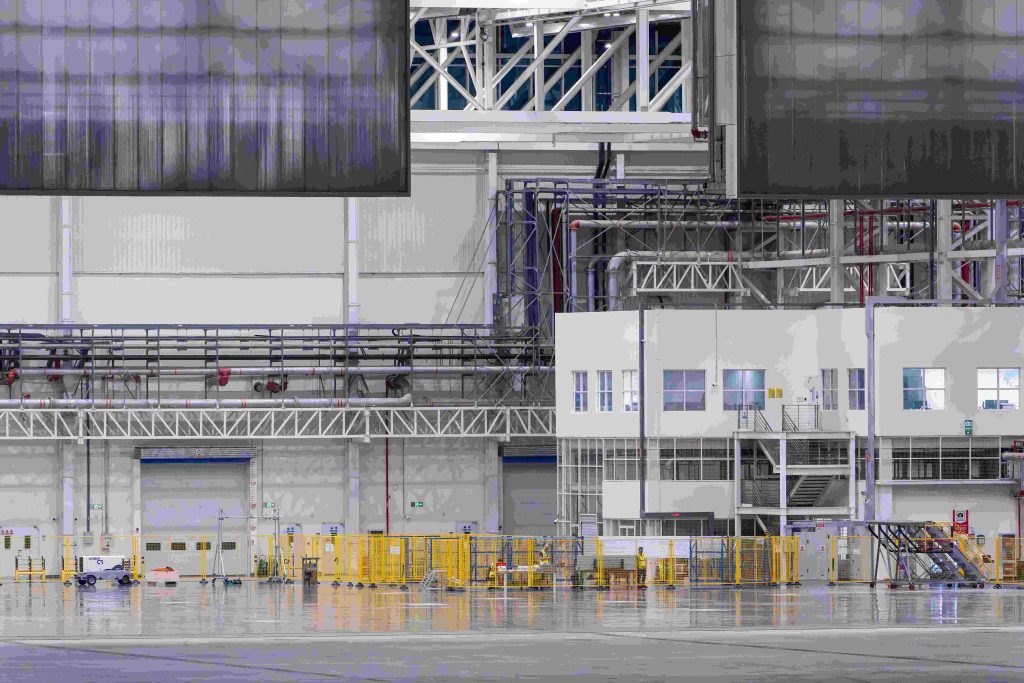
Industrial workspaces are often fast-paced environments where heavy machinery, chemical processes, and continuous production generate a range of airborne contaminants. While productivity is typically the primary focus, the quality of the air within these facilities plays a critical role in both safety and efficiency. Without proper ventilation, these environments can quickly become hazardous for workers and damaging to equipment.
Effective ventilation is not simply about moving air through a space. It is about controlling, filtering, and directing airflow in a way that reduces exposure to harmful particles and maintains a stable working environment. As industries continue to evolve, proper ventilation has become a foundational element of modern facility management.
The Role of Ventilation in Maintaining Air Quality
Ventilation systems are designed to remove contaminated air and replace it with clean, filtered air. This process helps control the concentration of dust, fumes, and other particles that naturally result from industrial operations. Without proper airflow, these contaminants can accumulate and circulate throughout the workspace.
Poor air circulation can lead to a range of issues, from reduced visibility to increased health risks for employees. Workers exposed to airborne irritants may experience discomfort, fatigue, or long-term respiratory problems. By maintaining consistent airflow, facilities can create a healthier and more stable environment that supports both safety and productivity.
In many cases, localized solutions such as a downdraft table are used alongside larger ventilation systems. These systems capture contaminants directly at the source, preventing them from spreading into the surrounding air. This targeted approach enhances overall air quality and reduces the burden on general ventilation systems.
Supporting Worker Health and Comfort
Employee well-being is one of the most important reasons to prioritize ventilation in industrial settings. Clean air helps reduce the risk of respiratory issues and minimizes exposure to harmful substances. When workers feel safe and comfortable, they are more likely to remain focused and productive throughout their shifts.
Temperature and airflow also contribute to overall comfort levels. Proper ventilation helps regulate indoor conditions, preventing excessive heat or stagnant air from affecting performance. This can be especially important in facilities where physical labor and high temperatures are common.
Creating a comfortable workspace also has long-term benefits for employee retention and morale. Workers who feel that their safety is prioritized are more likely to stay with an organization and perform at a higher level. This makes ventilation an important factor in building a positive workplace culture.
Enhancing Operational Efficiency
Efficient operations depend on consistency and reliability. Poor ventilation can introduce variables that disrupt workflow, such as equipment malfunctions or employee fatigue. By maintaining clean air and stable conditions, facilities can operate more smoothly and predictably.
Improved air quality also supports better visibility within the workspace. In environments where precision is critical, clear visibility is essential for accuracy and safety. Reducing airborne particles helps ensure that workers can perform their tasks without unnecessary obstacles.
Incorporating effective ventilation solutions into daily operations can lead to measurable improvements in productivity. When both employees and equipment function at their best, the entire operation benefits from increased efficiency and reduced downtime.
Meeting Safety Standards and Regulations
Regulatory agencies have established strict guidelines for air quality and workplace safety in industrial environments. These standards are designed to protect workers and ensure that facilities operate responsibly. Proper ventilation is a key component of meeting these requirements.
Failure to comply with regulations can result in fines, legal issues, and damage to a company’s reputation. By investing in robust ventilation systems, organizations can demonstrate their commitment to safety and compliance. This proactive approach helps avoid complications and builds trust with both employees and stakeholders.
Regular inspections and maintenance of ventilation systems are essential for ensuring ongoing compliance. Facilities that stay ahead of regulatory requirements are better positioned to adapt to future changes and maintain a strong safety record.
Adapting Ventilation to Modern Industrial Needs
As industrial processes become more advanced, ventilation systems must evolve to keep pace. Modern facilities often require customized solutions that address specific challenges, such as high particulate output or localized contaminant sources. This requires careful planning and the use of specialized equipment.
Innovations in ventilation technology have made it possible to create more efficient and adaptable systems. Features such as automated controls and real-time monitoring allow facilities to adjust airflow based on current conditions. This ensures that ventilation remains effective without wasting energy.
Tailoring ventilation systems to the unique needs of a facility not only improves performance but also supports long-term sustainability. Efficient systems reduce energy consumption while maintaining high levels of air quality, making them a valuable investment for modern operations.
Conclusion
Proper ventilation is a vital component of any industrial workspace, influencing everything from worker safety to equipment performance. By maintaining clean air and stable environmental conditions, facilities can create a safer and more efficient environment for both employees and machinery. The benefits extend beyond compliance, supporting long-term productivity and operational success.
As industries continue to grow and adapt, the importance of ventilation will only increase. Investing in effective systems and strategies ensures that facilities are prepared to meet current demands while remaining flexible for future challenges.