

Making Time for Self-Care Through Beauty
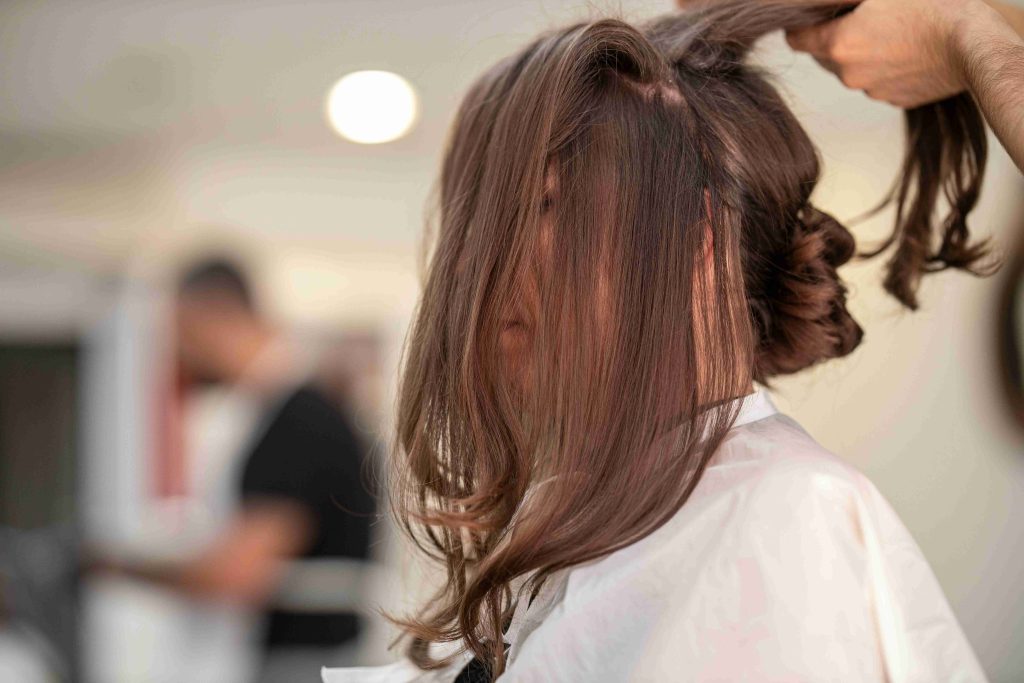
Self-care is often discussed as something that requires extra time, money, or energy, but in reality, it can be woven into everyday routines. Beauty habits are one of the most accessible ways to practice self-care because they are already part of many daily schedules. When approached intentionally, beauty becomes less about appearance and more about nurturing confidence, calm, and consistency.
Making time for self-care does not require dramatic changes or elaborate rituals. Small moments of attention toward yourself can have a meaningful impact on how you feel throughout the day. Beauty routines offer a practical opportunity to slow down, reconnect, and care for yourself in a sustainable way.
Redefining Beauty as a Form of Self-Care
Beauty routines are often viewed as purely cosmetic, but they can serve a deeper emotional purpose. Taking care of your appearance can reinforce a sense of self-worth and personal respect. These moments of care signal that you matter, even amid busy or demanding schedules.
When beauty is framed as self-care, the pressure to meet external standards begins to fade. Instead, the focus shifts toward how the routine makes you feel. This perspective allows beauty habits to feel restorative rather than performative.
Finding Self-Care in Everyday Beauty Habits
Self-care does not always require setting aside large blocks of time. Many beauty habits are already embedded into daily life, such as styling hair or preparing for the day. When these moments are treated with intention, they become opportunities to pause and check in with yourself.
Even a few mindful minutes can create a sense of calm and control. Approaching routine beauty tasks with presence can transform them into grounding rituals. Over time, this mindset helps reduce stress and supports emotional balance.
Creating Space Without Adding Pressure
One of the challenges of self-care is the belief that it must be perfect or extensive. In reality, self-care works best when it feels achievable. Beauty routines that are simple and flexible are easier to maintain and far less overwhelming.
Removing unrealistic expectations allows self-care to become a supportive part of daily life. When routines adapt to your schedule instead of competing with it, they feel more natural. This balance encourages consistency and long-term satisfaction.
Supporting Confidence Through Appearance
Confidence is closely tied to how comfortable you feel in your appearance. When beauty routines support that comfort, they contribute to emotional well-being. Feeling put together can influence mood, posture, and even how you interact with others.
Some individuals choose subtle beauty solutions that help maintain confidence with minimal effort. In certain routines, a hair topper can offer a way to enhance volume or fullness without requiring extensive styling. This type of solution allows appearance-related confidence to coexist with gentle self-care.
Protecting Time and Energy Through Smart Beauty Choices
Self-care should replenish energy, not drain it. Beauty choices that reduce daily stress can help protect both time and mental space. Streamlined routines prevent decision fatigue and leave room for other important priorities.
When beauty habits are efficient, they support a sense of control over your day. This efficiency makes self-care feel practical rather than indulgent. Over time, these choices help maintain emotional balance and reduce burnout.
Emotional Benefits of Consistent Beauty Routines
Consistency in self-care routines provides stability, especially during stressful or unpredictable periods. Beauty routines that remain familiar offer comfort and reassurance. These steady habits create a sense of normalcy even when other areas of life feel uncertain.
When beauty care is predictable, it requires less mental energy. This allows you to experience its benefits without overthinking each step. Consistent routines quietly reinforce emotional resilience through familiarity and ease.
Adjusting Self-Care as Life Changes
Self-care routines should evolve alongside changing needs and circumstances. What works during one stage of life may not be practical later. Allowing flexibility ensures that beauty routines continue to support well-being rather than add stress.
Adjusting routines does not mean abandoning self-care altogether. Small refinements can preserve consistency while accommodating new demands. This adaptability keeps beauty-based self-care relevant and sustainable.
Building a Healthier Relationship With Beauty
When beauty is aligned with self-care, it supports a healthier relationship with appearance. The emphasis moves away from fixing perceived flaws and toward feeling supported and comfortable. This mindset encourages acceptance rather than comparison.
Understanding beauty as a tool for self-connection helps reduce self-criticism. Over time, this approach fosters a more compassionate view of yourself. Beauty becomes a means of care rather than judgment.
Conclusion
Making time for self-care through beauty is about intention, balance, and consistency. When beauty routines support emotional well-being alongside appearance, they become a reliable source of comfort and confidence. By approaching beauty as a form of care rather than obligation, it becomes easier to prioritize yourself in everyday life.