
When you consider the world of construction, you may easily find yourself caught up in the challenge of new construction versus traditional buildings. It is a conversation that many homeowners and business owners engage in today, especially with the growing modern building themes and requirements. Lifestyle influences building choices, and how you plan to live or work in the coming years strongly affects your decision. In this article, you will explore the key aspects that distinguish new construction from traditional buildings.
Design and Customization
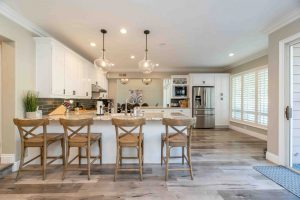
New constructions present the advantage of flexibility regarding the design, as they provide the option of adjusting the floor plans to align more closely with one’s particular lifestyle. Traditional constructions on the other hand are generally bound by the older layouts, rendering them less open to changes. In new buildings, considerations of personal choice are paramount, which in effect results in designs being more individualistic. They also take into account energy efficiency early in the planning stages, thus reducing the total cost of living. Modern styles and design choices, from the kitchen to the living spaces, are well reflected in today’s construction process, thus ensuring a unique living or working experience.
Materials and Technology
Modern construction uses new, durable materials, which is evident in the houses and buildings being built today. In contrast, traditional buildings often show their age and wear, indicating the need for regular repair work. Technology is becoming a driving force in speeding up building processes and ensuring a higher level of safety. Smart home features are also being integrated at the very onset of the design of new homes. In the contemporary world, a strong emphasis on sustainability is evident in new construction, thus reducing environmental footprints as compared to the past. Thus, modern and innovative solutions make new buildings not only livable but also more resilient over time.
Costs and Long-Term Value
When you compare the early costs of erecting a new structure and purchasing an old structure, the former is likely to appear as a huge financial outlay. Yet you will be better off by being mindful of the long-term benefits. Traditional constructions may require costly repairs or upgrades, thus making them more costly than anticipated. Newly built structures generally require less maintenance, helping you save on upkeep expenses. The resale value of new structures often tends to be higher due to convenience and modernity. You should weigh your current resources against future investment needs.
Specialized Building Needs
Specialized buildings involve more than basic construction; they require customized techniques, such as those used in SCIF construction. Such complex projects cater to custom demands raised by the government and private sectors to have a protected environment. Their uniqueness lies in the stringent safety and security codes they must comply with. The sophistication in design works together to comply with codes as per the modern architectural standards. In addition, they integrate cutting-edge technologies with business strategies to match the organizations’ goals. New buildings thus adapt to the rigid nature of today and provide solutions to more complex issues.
Lifestyle and Convenience
When you build a new house, you are basically designing one that fits your busy way of living. Buildings to this effect have had layouts designed with the open spaces that you are going to work or socialize in after a long day. Traditional houses, however, have the advantage of being in areas where necessities like schools and shops are very close to the vicinity. With new homes, you may have limited choice regarding the existing neighborhood, so you need to be prepared for what is available. They, however, have common community features, such as parks and walking trails, which maintain interaction and relaxation in daily business.
Conclusion
In weighing new construction against traditional buildings, it needs to be understood that both offer valuable opportunities worth pursuing. Your choice largely depends on your lifestyle preferences, financial planning, and future goals. While modern building methods have more flexibility and greater safety, traditional homes anchor you to a certain history and cultural beauty. Ultimately, the most important factor is having а home or building that aligns with your present and future life plans. Thinking things through will lead you to a decision that will leave you with a better place to live or work.